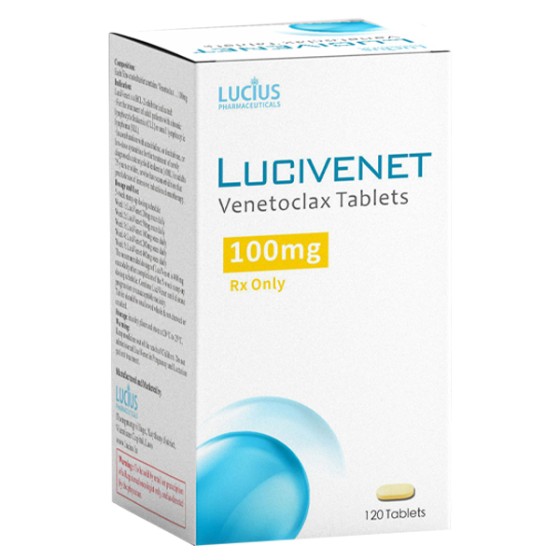
.jpeg)
Venetoclax Therapy Guidelines: Balancing Precision Targeting with Risk Management
Venetoclax,a transformative BCL-2 inhibitor,has revolutionized treatment outcomes in chronic lymphocytic leukemia(CLL),small lymphocytic lymphoma(SLL),and acute myeloid leukemia(AML).While its rapid induction of tumor cell apoptosis boosts response rates,its use is accompanied by stringent safety protocols.Recognized globally as a"high-efficacy,high-monitoring"targeted agent,Venetoclax requires meticulous risk management to maximize patient benefit.
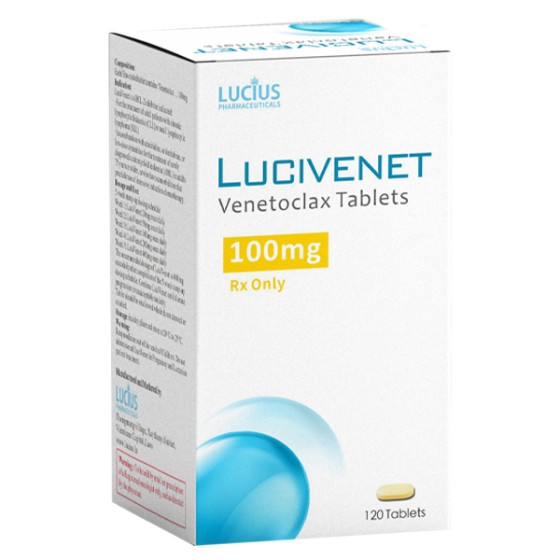
1.Tumor Lysis Syndrome(TLS):A Critical Safety Priority
TLS represents the primary safety concern with Venetoclax.Rapid tumor cell death can lead to abrupt release of cellular contents,causing metabolic derangements(e.g.,hyperuricemia,hyperkalemia,hyperphosphatemia)and potentially fatal renal failure.TLS risk peaks during treatment initiation(especially dose escalation in CLL/SLL)and after treatment re-initiation following discontinuation.International guidelines emphasize:
●Gradual dose escalation protocols to mitigate abrupt exposure;
●Aggressive hydration to maintain electrolyte balance;
●Prophylactic hyperuricemia management(e.g.,allopurinol or rasburicase);
●Frequent laboratory monitoring(uric acid,potassium,phosphate,creatinine);
●Inpatient observation for high-risk patients to enable rapid intervention.
2.Neutropenia:A Persistent Challenge in Long-term Therapy
Despite its targeted mechanism,Venetoclax can induce myelosuppression,most commonly表现为neutropenia.This is particularly pronounced in AML combination regimens and during prolonged CLL treatment,where patients may experience recurrent severe neutropenia,elevating infection susceptibility.Global practice includes:
●Routine weekly or as-needed complete blood count(CBC)monitoring;
●Individualized infection risk assessments;
●Granulocyte colony-stimulating factor(G-CSF)support as clinically indicated;
●Proactive infection management,including empiric antibiotics for febrile episodes;
●Ongoing surveillance,as neutropenia may fluctuate over treatment cycles.
3.Infection Control:A Pivotal Ongoing Focus
Cases of severe pneumonia,sepsis,and opportunistic infections have been reported in Venetoclax recipients.Given pre-existing bone marrow impairment in AML patients compounded by Venetoclax-induced myelosuppression,infection prevention is paramount.Key international strategies include:
●Early recognition and prompt evaluation of fever;
●Surveillance for invasive fungal infections(e.g.,regular imaging);
●Respiratory tract infection screening and management;
●Risk mitigation in prolonged immunosuppression(e.g.,vaccination counseling);
●Caution:Avoid live-attenuated vaccines during B-cell recovery,as they may be ineffective or pose infection risks.
4.Pregnancy Risks and Combination Therapy Restrictions:Special Considerations
Preclinical data indicate fetal toxicity potential;therefore,effective contraception is mandatory for individuals of reproductive potential during and after treatment.Additionally,caution is advised against combining Venetoclax with bortezomib and dexamethasone for multiple myeloma due to safety concerns emerging from recent studies.
Conclusion:While Venetoclax offers transformative outcomes in hematologic malignancies,its success hinges on rigorous protocols for TLS prevention,neutropenia surveillance,infection control,and special population management.Adherence to international monitoring standards is essential to balance therapeutic precision with patient safety.
[ 免责声明 ] 本页面内容来自公开渠道(如FDA官网、Drugs官网、原研药厂官网等),仅供持有医疗专业资质的人员用于医学药学研究参考,不构成任何治疗建议或药品推荐。所涉药品可能未在中国大陆获批上市,不适用于中国境内销售和使用。如需治疗,请咨询正规医疗机构。本站不提供药品销售或代购服务。