.jpeg)
Long-Term Anagrelide Use: Common Adverse Effects and Key Monitoring Considerations
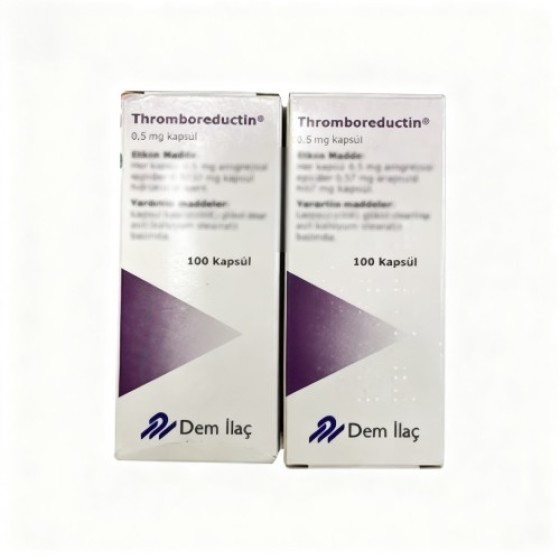
Anagrelide is a platelet-reducing agent that works by inhibiting megakaryocyte maturation,thereby decreasing platelet production.It is widely used in the management of essential thrombocythemia(ET)to maintain platelet counts within a safe range.Since many ET patients require continuous therapy,drug tolerability and adverse effect management during long-term treatment have become important clinical considerations.Based on overseas prescribing information and FDA safety data,the adverse effects of anagrelide primarily involve the cardiovascular system,gastrointestinal system,and nervous system.
Regarding cardiovascular effects,anagrelide's adverse reactions are relatively prominent.The drug may cause palpitations,tachycardia,and vasodilation.Some patients experience noticeably increased heart rate,chest discomfort,or blood pressure fluctuations after taking the medication.FDA data clearly indicate that at therapeutic doses,anagrelide can exert relevant effects on the cardiovascular system,and in rare cases,more serious cardiovascular events such as heart failure may occur.Patients with pre-existing arrhythmias,cardiac insufficiency,or other underlying cardiovascular conditions should exercise particular caution;thorough cardiovascular assessment is recommended before initiating therapy,with close monitoring of heart rate and cardiac function throughout treatment.
In terms of gastrointestinal effects,patients on long-term anagrelide therapy may experience diarrhea,abdominal pain,nausea,and decreased appetite.FDA prescribing information lists diarrhea and abdominal pain among the common adverse reactions leading to treatment discontinuation.These gastrointestinal symptoms tend to be more pronounced during the initial phase of treatment.While some patients gradually adapt as therapy continues,others may require dose adjustments or consideration of alternative treatment options due to persistent gastrointestinal discomfort.
Regarding neurological and systemic effects,headache is one of the most frequently reported adverse reactions associated with anagrelide,with a relatively high incidence rate.Additionally,patients may experience dizziness,fatigue,and other non-specific symptoms.FDA labeling data similarly identify headache as a common adverse reaction leading to drug discontinuation.Individual tolerance to anagrelide varies considerably among patients;not all individuals on long-term therapy will experience the same combination of adverse effects,and symptom severity differs from person to person.
With respect to treatment monitoring,since anagrelide's primary pharmacological action is to reduce platelet counts,regular monitoring of platelet levels is essential throughout the treatment period to avoid excessive platelet suppression and associated bleeding risks.Given the drug's potential cardiovascular effects,patients with underlying cardiovascular conditions should pay particular attention to palpitations,heart rate changes,and other cardiovascular-related symptoms.FDA data highlight palpitations and edema as adverse reactions requiring focused attention.In clinical practice,patients experiencing these manifestations should promptly communicate with their treating physician to assess whether treatment modifications are necessary.
In summary,adverse effects that may occur during long-term anagrelide therapy encompass palpitations,tachycardia,headache,diarrhea,abdominal pain,nausea,dizziness,and fatigue,among others.A small number of patients may also experience edema and more serious cardiovascular adverse events.Anagrelide is a medication that requires ongoing attention to tolerability throughout the treatment course.Patients should undergo regular assessments under physician guidance,taking into account their individual baseline conditions,to promptly identify and manage any emerging adverse effects,thereby ensuring the safety and effectiveness of long-term therapy.
[ 免责声明 ] 本页面内容来自公开渠道(如FDA官网、Drugs官网、原研药厂官网等),仅供持有医疗专业资质的人员用于医学药学研究参考,不构成任何治疗建议或药品推荐。所涉药品可能未在中国大陆获批上市,不适用于中国境内销售和使用。如需治疗,请咨询正规医疗机构。本站不提供药品销售或代购服务。