
.jpeg)
How effective is Riboxil/Calilon in the treatment of breast cancer?
As breast cancer treatment enters a new era of precision medicine, CDK4/6 inhibitors have become one of the most watched drug categories. Ribociclib/Calilon (Ribociclib), as a representative of this class of drugs, has demonstrated significant clinical value in early breast cancer and advanced or metastatic breast cancer. By inhibiting the key cell cycle proteins CDK4 and CDK6, it blocks tumor cells from entering the S phase from the G1 phase, thereby effectively inhibiting the proliferation of cancer cells and providing new treatment ideas for hormone receptor-positive (HR+), HER2-negative breast cancer patients.
In early-stage breast cancer, the efficacy of ribociclib has been confirmed by large-scale clinical studies. Studies have shown that combining aromatase inhibitors (such as letrozole or anastrozole) can significantly reduce the risk of disease recurrence and significantly improve the rate of invasive disease-free survival during a three-year follow-up period. Especially among people at high risk of recurrence, this treatment strategy shows more prominent advantages, which means that patients can achieve a longer disease-free state with Riboxil after completing surgery and basic endocrine therapy. This not only prolongs survival, but also improves patients' psychological expectations and quality of life to a great extent.
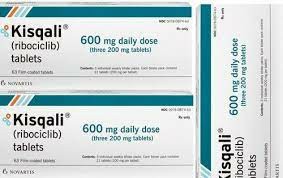
For patients with advanced or metastatic breast cancer, the clinical value of ribociclib is even more prominent. In multiple international studies, the combination of rebociclib with an aromatase inhibitor or fulvestrant significantly extended progression-free survival and almost doubled the time to disease control compared with hormone therapy alone. Improved efficacy has been observed in both premenopausal and postmenopausal women, and in some studies, patients' risk of disease progression has been reduced by more than 40%. This result shows that Riboxiclib is not only suitable for early consolidation treatment, but also provides the opportunity to delay chemotherapy and reduce toxic side effects in the management of advanced breast cancer.
In addition to improvements in progression-free survival (PFS), a growing number of studies have shown that reboxil may have a positive impact on overall survival (OS). Although overall survival requires longer follow-up, existing data suggest that long-term treatment can bring sustained benefits. This is of great significance to breast cancer patients, because in the past era of hormone therapy, patients often entered the chemotherapy stage quickly due to drug resistance, but now the addition of Riboxiclib effectively delays this process, allowing patients to have a higher quality of life.
It is worth noting that the safety profile of Riboxil is relatively controllable. Common adverse reactions mainly include leukopenia, mild abnormalities in liver function indicators, and fatigue. Most of them can be managed through monitoring and dose adjustment. Compared with the severe hair loss, nausea and vomiting and other side effects caused by chemotherapy, the toxicity spectrum of Riboxil is more acceptable to patients. This is why many doctors prefer to use CDK4/6 inhibitors in first-line treatment rather than going directly to traditional chemotherapy.
From a global perspective, Ribociclib has become one of the standard regimens recommended by international guidelines. In China, Riboxil has been approved and included in the medical insurance, which greatly improves its clinical accessibility. In the past, it was often difficult for patients to persist long-term due to price issues, but now medical insurance coverage has made it possible for more women to afford this innovative treatment.
Reference materials:https://us.kisqali.com/
[ 免责声明 ] 本页面内容来自公开渠道(如FDA官网、Drugs官网、原研药厂官网等),仅供持有医疗专业资质的人员用于医学药学研究参考,不构成任何治疗建议或药品推荐。所涉药品可能未在中国大陆获批上市,不适用于中国境内销售和使用。如需治疗,请咨询正规医疗机构。本站不提供药品销售或代购服务。


