
.jpeg)
A guide to safety matters you need to pay attention to when using Seleniso (Silvio)
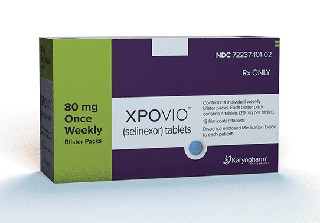
Selinexor (trade name Xpovio) is an oral selective nuclear export inhibitor (SINE), mainly used to treat multiple myeloma and refractory mantle cell lymphoma. It inhibits the function of nuclear export protein XPO1 and causes tumor suppressor proteins to accumulate in the nucleus, thereby inducing cancer cell apoptosis. Although selinesol has shown good efficacy in advanced malignant hematological tumors, its use is accompanied by certain safety risks. Therefore, patients and clinicians must pay strict attention to safety matters during medication. The following content will provide detailed guidance from four aspects: preparation before medication, monitoring during treatment, management of adverse reactions, and daily life precautions.
1. Preparation before taking medicine
Before initiating treatment with selinesol, patients undergo a comprehensive physical evaluation and laboratory testing, including routine blood work, liver and kidney function, electrolyte levels, and assessment of cardiac function. This is because selinesol may cause a decrease in platelets, white blood cells, and neutrophils, and may also have a certain impact on liver and kidney function. Patients should also inform their doctors about all medications and supplements they are taking to prevent potential drug interactions. In addition, patients should receive adequate medication education before starting treatment, including medication time, dosage, possible adverse reactions and treatment methods, to ensure safe and standardized use of medications.
2. Monitoring and follow-up during treatment
During the treatment of selinesol, monitoring of hematological and biochemical indicators is the core safety measure. Doctors typically monitor routine blood tests, including white blood cell, platelet, and neutrophil counts, on a weekly or bi-weekly basis during the early stages of treatment, as well as assess liver and kidney function indicators. If severe hematological toxicity is found, such as neutropenia or a significant decrease in platelets, the dose should be adjusted promptly or the medication should be temporarily interrupted. In addition, patients need to pay attention to weight changes, abnormal electrolyte levels (such as low sodium, low potassium, and low magnesium) and the risk of dehydration during the medication period, and perform rehydration and nutritional intervention when necessary.
3. Adverse reaction management
Common adverse reactions of selinesol include fatigue, nausea, vomiting, decreased appetite, hematological abnormalities, and fluctuations in blood sugar or blood pressure. Mild to moderate adverse reactions can usually be resolved with symptomatic treatment. For example, antiemetics can be used for nausea, and high-calorie nutritional support can be used for reduced appetite. For hematological toxicity, doctors may adjust the dosage or discontinue medication, and use growth factors or blood transfusion support as appropriate. It is worth noting that selinesol may cause an increased risk of thrombosis, so patients with a history of previous thrombosis should take anticoagulant prophylaxis under the guidance of a doctor. If serious or uncontrollable adverse reactions occur, the drug should be discontinued immediately and professional medical treatment should be sought.
4. Precautions for daily life and medication
Patients should maintain a healthy lifestyle while taking selinesol, ensure adequate rest, and avoid overexertion to reduce the fatigue caused by the drug. In terms of diet, you should maintain a balance and increase your intake of high-protein and high-calorie foods to cope with loss of appetite and weight loss. Patients also need to pay attention to oral hygiene to prevent complications such as oral ulcers. At the same time, simultaneous use with other drugs that may increase the burden on the liver and kidneys or cause bleeding should be avoided. The medication time is generally as recommended by the doctor, and is usually taken on an empty stomach to improve drug absorption and efficacy.
In addition, patients and their families should pay close attention to their mental health. Long-term use of targeted drugs may cause anxiety or depression. If necessary, you can seek psychological counseling or join a patient mutual aid organization to obtain psychological and social support. Doctors and patients should maintain good communication and report discomfort symptoms in a timely manner so as to adjust treatment plans to ensure maximum efficacy while reducing safety risks.
Conclusion
In general, selinesol has significant efficacy in multiple myeloma and refractory hematological tumors, but it is accompanied by certain safety risks. Adequate assessment before medication, strict monitoring during treatment, timely treatment of adverse reactions, life management and psychological support are all important links to ensure safe use of patients. Through standardized use under the guidance of doctors, patients can not only obtain drug efficacy, but also minimize potential risks and achieve a balance between treatment and safety.
Reference link:https://www.drugs.com
[ 免责声明 ] 本页面内容来自公开渠道(如FDA官网、Drugs官网、原研药厂官网等),仅供持有医疗专业资质的人员用于医学药学研究参考,不构成任何治疗建议或药品推荐。所涉药品可能未在中国大陆获批上市,不适用于中国境内销售和使用。如需治疗,请咨询正规医疗机构。本站不提供药品销售或代购服务。


