
.jpeg)
Detailed description of the scope of indications and applicable patient groups of ponatinib
Ponatinib (Ponatinib) is an oral third-generation multi-target tyrosine kinase inhibitor (TKI), mainly used to treat patients with chronic myelogenous leukemia (CML) and Philadelphia chromosome-positive acute lymphoblastic leukemia (Ph+ ALL). It can effectively inhibit the BCR-ABL fusion protein, including the highly resistant T315I mutant BCR-ABL which is highly active, thereby blocking the proliferation signals of leukemia cells and improving the clinical prognosis of patients.
In terms of chronic myeloid leukemia, ponatinib is mainly suitable for patients who are ineffective or intolerant to previous generation TKIs (such as imatinib, dasatinib or nilotinib). Especially for CML patients with T315I mutation, ponatinib is almost the only effective drug available. Its mechanism of action can overcome disease progression caused by resistance to traditional TKIs and help patients restore hematological and molecular remission.
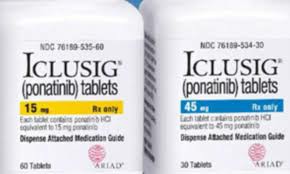
In the field of acute lymphoblastic leukemia, ponatinib is suitable for Philadelphia chromosome-positive (Ph+) ALL patients, especially in the case of poor response to first-line TKI treatment or the emergence of drug-resistant mutations. For patients awaiting hematopoietic stem cell transplantation, ponatinib can be used as bridging therapy to maintain disease control and reduce the risk of pre-transplantation disease, thereby improving transplant success and long-term survival.
In addition, ponatinib is also suitable for some special patient groups who cannot tolerate or are contraindicated by otherTKIs, such as elderly patients or high-risk patients with multiple drug resistance mutations. During use, individualized assessment and dose adjustment are required based on the patient's cardiovascular risk, liver and kidney function, and potential risk of thrombotic events to ensure efficacy while reducing the incidence of adverse events. In general, ponatinib is suitable for patients with CML and Ph+ ALL who are resistant to traditional TKIs or positive for high-risk mutations, and is an important option for the treatment of drug-resistant leukemia.
Reference link:https://www.drugs.com
[ 免责声明 ] 本页面内容来自公开渠道(如FDA官网、Drugs官网、原研药厂官网等),仅供持有医疗专业资质的人员用于医学药学研究参考,不构成任何治疗建议或药品推荐。所涉药品可能未在中国大陆获批上市,不适用于中国境内销售和使用。如需治疗,请咨询正规医疗机构。本站不提供药品销售或代购服务。


