
.jpeg)
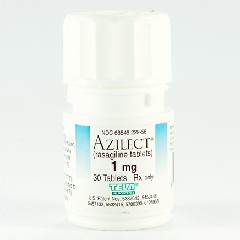
Analysis of the clinical efficacy of rasagiline (Azilate) combined with levodopa
Rasagiline (Rasagiline) is a selective monoamine oxidase B (MAO-B) inhibitor, mainly used for the early and middle-late treatment of Parkinson's disease (PD). Its mechanism of action is to inhibit the metabolism of dopamine in the brain, thereby increasing the concentration of dopamine in the central nervous system and improving the motor symptoms of patients with Parkinson's disease. In clinical practice, rasagiline is often used in combination with levodopa (Levodopa) to enhance the efficacy and delay the occurrence of levodopa-related complications. This article will systematically analyze the clinical efficacy of rasagiline combined with levodopa from four aspects: pharmacological mechanism, clinical efficacy, treatment course research data, safety and long-term effects.
1. Pharmacological mechanism and advantages of combined medication
Levodopa is the cornerstone of Parkinson's disease treatment. It improves movement disorders by supplementing central dopamine. However, levodopa alone may cause "on-off" fluctuations and dyskinesias in long-term treatment. Rasagiline reduces the degradation of dopamine by selectively inhibiting MAO-B, allowing the dopamine converted from levodopa to maintain a higher concentration in the brain, thereby extending the duration of the drug's effect and improving motor fluctuations. The advantages of combined medication are: on the one hand, it can improve the efficacy of levodopa, reduce dosage requirements, and delay the adverse reactions caused by long-term high doses; on the other hand, MAO-B inhibitors themselves have neuroprotective potential and may have a certain intervention effect on disease progression.
2. Clinical efficacy and improvement of motor symptoms
Multiple randomized controlled clinical trials have shown that rasagiline combined with levodopa can significantly improve motor symptoms and daytime motor status in patients with moderate to advanced Parkinson's disease. For example, the LARGO study included approximately 1,197patients with PD and the results showed that combination therapy In the group, the daytime "on" state was extended by about 1.18 hours on average, and at the same time, the UPDRS (Unified Parkinson's Disease Rating Scale) motor score was significantly improved, which was higher than that of the levodopa alone group. Patients' self-reported quality of life (PDQ-39score) also improved, with particularly positive effects in the areas of ability to perform daily activities, exercise autonomy, and fatigue. Combination medication can not only improve motor symptoms, but also delay the frequency and severity of "on-off" fluctuations, thereby improving patients' daily quality of life.
3. Treatment course research data and long-term efficacy
In long-term follow-up studies, rasagiline combined with levodopa showed stable efficacy. The TEMPO and PRESTO studies observed patients with early-stage and moderately advanced Parkinson's disease respectively, with follow-up periods ranging from 6 months to 2 years. The results showed that combined treatment could maintain improvements in motor function, reduce the frequency of levodopa dose adjustments, and delay the onset of dyskinesias and motor fluctuations. For example, about 60% of patients in the combination therapy group maintained stable UPDRS scores at 12 months of follow-up, compared with about 45% of the levodopa-alone group. In addition, rasagiline improves patients' compliance and tolerance to treatment without increasing significant side effects in the combination regimen.
4. Safety and Comprehensive Benefit Analysis
The safety profile of rasagiline combined with levodopa is generally good. Common adverse reactions include mild headache, insomnia, nausea, or mild increase in blood pressure, but most are reversible and do not require interruption of treatment. The incidence of serious adverse events was low, and rasagiline did not significantly increase the risk of levodopa-related dyskinesias. Clinical practice shows that combined treatment can prolong the effective "on" state, improve the stability of motor control, and improve the quality of daily life and mental health of patients while ensuring safety. In long-term use, rasagiline may slow down disease progression through neuroprotective effects, but it needs to be further verified in conjunction with more prospective studies.
To sum up, rasagiline combined with levodopa shows obvious clinical advantages in the treatment of intermediate and advanced Parkinson's disease: it can prolong the daytime "on" state, improve UPDRS scores, reduce the incidence of motor fluctuations, and have a positive impact on the quality of life. It has a good safety profile, does not significantly increase the risk of dyskinesia, and may provide some neuroprotective potential. The combined medication regimen provides patients with Parkinson's disease with a smoother and more lasting symptom control program and is one of the optimized treatment strategies commonly used in clinical practice.
Reference link:https://www.drugs.com
[ 免责声明 ] 本页面内容来自公开渠道(如FDA官网、Drugs官网、原研药厂官网等),仅供持有医疗专业资质的人员用于医学药学研究参考,不构成任何治疗建议或药品推荐。所涉药品可能未在中国大陆获批上市,不适用于中国境内销售和使用。如需治疗,请咨询正规医疗机构。本站不提供药品销售或代购服务。


