
.jpeg)
Analysis of the reasons why some patients are not recommended to take Fidaxomicin
Fidaxomicin is a new oral macrolide antibiotic mainly used to treat infections caused by Clostridioides difficile. Its mechanism of action is to inhibit bacterial RNA polymerase, thereby preventing bacterial protein synthesis and killing pathogenic bacteria. Compared with traditional antibiotics, fidaxomicin has less impact on normal intestinal flora and has a low recurrence rate, making it an important treatment option for Clostridium difficile infection.
Fidaxomicin is mainly excreted through feces and has a low systemic absorption rate. However, for patients with severe hepatic insufficiency or abnormal renal function, the drug metabolism and excretion may be affected, increasing the drug concentration in the body or the risk of adverse reactions. Therefore, such patients need to be carefully evaluated before use and adjust the dose or choose alternative therapies if necessary.
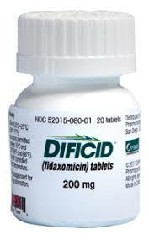
There are currently limited safety data on fidaxomicin in pregnant and lactating women. Animal experiments show that the drug may pose certain risks to the fetus, and clinical data are insufficient to fully prove safety. Therefore, it is not recommended for pregnant and lactating women to use fidaxomicin unless used under strict supervision by a doctor after weighing the risks and benefits.
It is expressly contraindicated in patients allergic to fidaxomicin or excipients to prevent severe allergic reactions. In addition, long-term or combined use of other antibacterial drugs may change the structure of intestinal flora and affect the efficacy. Children, the elderly and patients with low immune function should also be cautious when using fidaxomicin, and follow doctor's instructions to monitor liver and kidney function and adverse reactions to ensure drug safety.
Reference link:https://www.drugs.com
[ 免责声明 ] 本页面内容来自公开渠道(如FDA官网、Drugs官网、原研药厂官网等),仅供持有医疗专业资质的人员用于医学药学研究参考,不构成任何治疗建议或药品推荐。所涉药品可能未在中国大陆获批上市,不适用于中国境内销售和使用。如需治疗,请咨询正规医疗机构。本站不提供药品销售或代购服务。


