
.jpeg)
Contraindications of Selinexol (Silvio) and which groups are not suitable for taking it
Selinexor (trade name: Silvio) is an oral selective inhibitor of nuclear export (Selective Inhibitor of Nuclear Export, SINE), mainly used to treat relapsed or refractory multiple myeloma (RRMM) and refractory peripheral T cell lymphoma (PTCL). Its mechanism of action is by inhibiting nuclear export protein XPO1 (Exportin 1), blocking cancer cells from transporting tumor suppressor proteins to the cytoplasm, causing them to accumulate in the nucleus, thereby inducing tumor cell apoptosis and inhibiting growth. Although selinesol has shown significant efficacy in some refractory hematological tumors, its use still has strict contraindications and is not suitable for certain populations, requiring clinicians to strictly assess patient risks before use.
First, absolute contraindications to selinesol include patients with known hypersensitivity to components of the drug. Use of this drug should be contraindicated in patients who have experienced an allergic reaction to selinesol or its excipients. Anaphylaxis may manifest as a rash, itching, difficulty breathing, or severe anaphylactic shock, which can be life-threatening. For patients with a history of severe allergies, a thorough evaluation and first aid plan must be prepared before use, and alternative treatment options must be selected if necessary.
Secondly, patients with severe liver damage are not suitable to take selinesol. Drugs are mainly metabolized by the liver. If the patient's liver function is significantly abnormal (such as AST/ALT exceeding the upper limit of normal 5 times or accompanied by jaundice), the metabolism of the drug in the body may be blocked, resulting in an increase in blood drug concentration, increasing bone marrow suppression, bleeding risk and systemic toxic reactions. In addition, patients with severe renal insufficiency or dialysis should also use it with caution because the clearance capacity of selinesol and its metabolites may be reduced, thereby increasing drug toxicity.
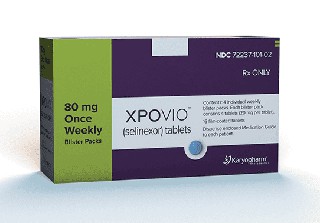
Third, patients with low blood system function should use it with caution or avoid using it. Common adverse reactions of selinesol include neutropenia, thrombocytopenia and anemia. If the patient has severe bone marrow suppression, platelet count below the specified safety range, or severe anemia before treatment, the use of selinesol may further aggravate hematological toxicity, leading to serious infection, bleeding, or even life-threatening. Therefore, in such patients, it is necessary to strictly monitor blood routine and adjust the dose or choose other treatment options according to the situation.
In addition, pregnant women, lactating women and patients of childbearing age who have not taken effective contraceptive measures are also not suitable to use selinesol. Animal experiments show that selinesol has a potential teratogenic risk to the fetus and may affect the normal development of the fetus; the drug is excreted through milk and may also have toxic effects on nursing infants. Therefore, women of childbearing age must take reliable contraceptive measures while using selinesol. Pregnant and lactating women should completely avoid using the drug. If necessary, alternative treatments can be chosen under the guidance of a doctor.
In addition to the absolute contraindications listed above, selinesol should be used with caution in patients with cardiovascular disease, peptic ulcers, or serious infections. Drugs can cause side effects such as high blood pressure, hypotension, nausea, vomiting, and loss of appetite, and may aggravate existing cardiovascular diseases or lead to malnutrition. For patients with active infection, the source of infection should be controlled before use to reduce the risk of serious complications caused by drug bone marrow suppression. At the same time, elderly patients or patients with multiple underlying diseases also need to comprehensively assess the risks of medication under the guidance of a doctor.
In clinical practice, to ensure the safety of medication, a comprehensive assessment should be conducted before use, including blood routine, liver and kidney function, cardiac function, and potential infection. At the same time, blood pictures, liver and kidney functions, electrolytes and weight changes should be monitored regularly during treatment in order to detect and deal with adverse reactions in a timely manner. Patients and their families need to fully understand the possible side effects and contraindications of the drug, strictly abide by the doctor's instructions, and avoid increasing or decreasing the dose on their own or stopping the drug at will.
In summary, Selinisol (Silvio) has significant efficacy in the treatment of relapsed or refractory hematological tumors, but it is not suitable for all patients. People who are allergic to drug ingredients, people with severe liver and kidney damage, patients with severe bone marrow suppression, pregnant women and lactating women are all contraindicated; at the same time, patients with severe cardiovascular disease, active infection or malnutrition should also use it with caution. In clinical application, through strict evaluation, individualized dose adjustment and close monitoring, drug efficacy can be maximized while reducing the risk of serious adverse reactions, providing patients with safe and effective treatment options.
Reference link:https://www.drugs.com
[ 免责声明 ] 本页面内容来自公开渠道(如FDA官网、Drugs官网、原研药厂官网等),仅供持有医疗专业资质的人员用于医学药学研究参考,不构成任何治疗建议或药品推荐。所涉药品可能未在中国大陆获批上市,不适用于中国境内销售和使用。如需治疗,请咨询正规医疗机构。本站不提供药品销售或代购服务。


