
.jpeg)
What kind of drugs does Cemiplimab belong to and its mechanism of action?
Cemiplimab (Cemiplimab) is a fully human PD-1 (programmed death receptor-1) inhibitor and belongs to the immune checkpoint inhibitor class of drugs. The original intention of its development is to restore and enhance the ability of T cells to attack tumors by removing the suppression of tumors from the human immune system. Unlike traditional chemotherapy or radiotherapy, immunotherapy drugs do not directly kill cancer cells, but achieve anti-tumor effects by regulating the patient's own immune response.
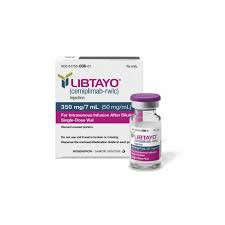
The specific mechanism of action is that tumor cells usually achieve "immune escape" through thePD-1/PD-L1 pathway. When PD-L1 on the surface of tumor cells binds to PD-1 on the surface of T cells, the activity of T cells is inhibited, making it impossible to effectively recognize and eliminate cancer cells. Cimepilimab specifically binds to the PD-1 receptor on T cells and blocks its binding to PD-L1, breaking the immunosuppressive microenvironment established by the tumor and allowing T cells to regain their killing function. This mechanism not only shows good results in cutaneous squamous cell carcinoma, but also gradually extends to other tumor types such as non-small cell lung cancer and cervical cancer.
Compared with similar PD-1 inhibitorsCimeplimab’s research and development strategy emphasizes its differentiated application in specific tumor types. For example, it is the first PD-1 monoclonal antibody approved by the FDA for locally advanced or metastatic cutaneous squamous cell carcinoma (CSCC) and basal cell carcinoma (BCC). This breakthrough is a milestone in immunotherapy drugs. In addition, research also shows that it can bring about a longer-lasting immune response in some patients, which provides the possibility for long-term disease control.
During clinical use, cimepilimab is usually administered by intravenous infusion and periodic treatment. Patients need to undergo strict monitoring under the guidance of a doctor, because immune checkpoint inhibitor drugs may cause immune-related adverse reactions, such as rash, thyroid dysfunction, hepatitis or pneumonia.
Reference materials:https://www.libtayohcp.com/
[ 免责声明 ] 本页面内容来自公开渠道(如FDA官网、Drugs官网、原研药厂官网等),仅供持有医疗专业资质的人员用于医学药学研究参考,不构成任何治疗建议或药品推荐。所涉药品可能未在中国大陆获批上市,不适用于中国境内销售和使用。如需治疗,请咨询正规医疗机构。本站不提供药品销售或代购服务。


