
.jpeg)
Which is better, valganciclovir/vansevir or sofosbuvir? Comparison of efficacy and safety
Valganciclovir and Sofosbuvir are both important representative drugs in the antiviral field. However, there are obvious differences in their targets, indication groups, and safety characteristics. Therefore, they cannot be simply measured by a single "good or bad". Instead, a comparative analysis is required based on the type of disease and the specific situation of the patient.
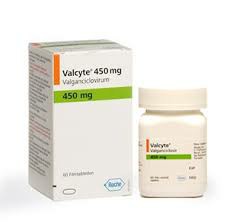
Valganciclovir is a nucleotide analog used to treat human cytomegalovirus (CMV) infection. It is particularly suitable for CMV prevention in immunosuppressed patients after organ transplantation, and for the treatment of AIDS patients with CMV retinitis. It is converted into the active form of ganciclovir in the body, thereby inhibiting the activity of viral DNA polymerase and blocking viral replication. Since CMV infection is common in people with low immune function, the key to its treatment strategy is to prevent the virus from spreading in an early stage. Therefore, valganciclovir has an irreplaceable clinical position.
Sofosbuvir is a landmark drug for the treatment of hepatitis C (HCV) and is a nucleotide polymerase inhibitor. It inhibits the NS5B polymerase of HCV and blocks viral RNA replication, thereby achieving the goal of clearing the infection. Compared with traditional interferon treatment, sofosbuvir not only improves the cure rate, but also significantly improves tolerability, pushing hepatitis C treatment into the era of "oral direct therapy".
From the perspective of efficacy, both of them have shown high value within the scope of indications. Valganciclovir can significantly reduce the risk of graft loss due to virus-related complications in transplant patients in the control of CMV infection. In patients with retinitis, it can delay the progression of lesions and protect residual visual function. Sofosbuvir has shown a near-"curative" effect in the treatment of HCV, and the cure rate of combined drug regimens in patients with different genotypes can reach globally recognized high standards. It can be said that valganciclovir has solved the survival problem of immunocompromised groups, while sofosbuvir has brought hope of cure to tens of millions of hepatitis C patients around the world. The clinical significance of both is equally great, but they point to completely different disease spectrums.
In terms of safety, the biggest challenge with valganciclovir is myelosuppression. During long-term medication, patients commonly experience leukopenia, thrombocytopenia, and anemia. These risks are particularly severe for people with immunosuppression, so regular blood monitoring is required. At the same time, the renal metabolism characteristics of the drug determine that its dosage must be carefully adjusted in patients with renal insufficiency, otherwise it may easily lead to cumulative toxicity. The overall safety profile of sofosbuvir is better than that of traditional anti-hepatitis C drugs. Common side effects include fatigue, headache and mild gastrointestinal discomfort. Most of these symptoms are tolerable, but a few patients may experience more obvious fluctuations in liver function due to different combination drugs. However, compared with the bone marrow toxicity of valganciclovir, the risk of adverse reactions of sofosbuvir is relatively controllable, and patient compliance is better.
In summary, valganciclovir and sofosbuvir represent two core drugs for different viral diseases and are irreplaceable treatment options within their respective indications.
Reference materials:https://go.drugbank.com/drugs/DB01610
[ 免责声明 ] 本页面内容来自公开渠道(如FDA官网、Drugs官网、原研药厂官网等),仅供持有医疗专业资质的人员用于医学药学研究参考,不构成任何治疗建议或药品推荐。所涉药品可能未在中国大陆获批上市,不适用于中国境内销售和使用。如需治疗,请咨询正规医疗机构。本站不提供药品销售或代购服务。


