
.jpeg)
What are the precautions for taking giritinib/segatan?
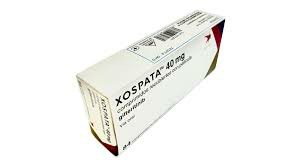
During clinical studies of Gilteritinib/Segatan in the treatment of acute myeloid leukemia (AML), several drug-related warnings and precautions were identified involving multiple important health risks. These risks include differentiation syndrome, posterior reversible encephalopathy syndrome (PRES), QT interval prolongation, pancreatitis, and embryo-fetal toxicity. The management and monitoring of these adverse reactions are crucial to ensuring patient safety and require great attention from medical staff and patients.
First, differentiation syndrome is a serious complication associated with rapid proliferation and differentiation of bone marrow cells. If not dealt with promptly, it may result in life-threatening consequences. Patients receiving giritinib may develop a range of clinical manifestations, such as fever, dyspnea, pleural effusion, pericardial effusion, pulmonary edema, hypotension, acute weight gain, peripheral edema, rash, and impaired renal function. It is worth noting that some cases may be accompanied by acute fever and granulocytic dermatosis, which usually occur within 1 to 82 days after the start of drug treatment. In order to effectively deal with differentiation syndrome, it is clinically recommended to promptly give dexamethasone (or other equivalent doses of corticosteroids) intravenously and perform hemodynamic monitoring when the symptoms are suspected. After symptoms resolve, the dose of corticosteroids should be gradually reduced and maintained for at least 3 days to prevent recurrence. If symptoms persist for more than 48 hours after corticosteroid therapy, discontinue giritinib until symptoms improve.
Secondly, posterior reversible encephalopathy syndrome (PRES) is also a side effect of concern, manifested by seizures and mental status changes. Brain imaging, especially magnetic resonance imaging (MRI), is key to confirming this symptom. For patients who develop PRES, it is recommended to stop the use of gilitinib immediately to prevent further brain damage.
Third,QT interval prolongation is an electrocardiogram abnormality that may lead to serious arrhythmia. Hypokalemia or hypomagnesemia can significantly increase the risk of QT prolongation, so these electrolyte abnormalities should be corrected before giritinib treatment. Patients are required to undergo an electrocardiogram on days 8 and 15 of the first treatment cycle and before the start of subsequent cycles. Once the QTcF is found to exceed 500 msec, giritinib should be interrupted immediately and the dose reduced. When the QTc interval returns to within 30 milliseconds of baseline or ≤480 milliseconds, the 80 mg dose can be considered to be resumed.
In addition, pancreatitis is also an adverse reaction observed in clinical trials, with approximately This complication occurred in 4% of patients receiving giritinib. This requires clinicians to pay close attention to the patient's pancreatic health and promptly evaluate the symptoms of pancreatitis. If relevant symptoms are observed, consideration should be given to reducing the dose of gilitinib, to 80 mg if necessary.
Finally, embryo-fetal toxicity is an important consideration in the use of geritinib. Animal studies have shown that giritinib may cause harm to the fetus when used by pregnant women, including embryo-fetal death, fetal growth inhibition, and teratogenesis. Therefore, all female patients should use effective contraception during treatment with giritinib and for 6 months after the last dose. At the same time, male patients with childbearing potential should also take appropriate contraceptive measures during treatment and within 4 months after the last dose to avoid potential risks to their partners and future children.
Reference materials:https://www.xospata.com/
[ 免责声明 ] 本页面内容来自公开渠道(如FDA官网、Drugs官网、原研药厂官网等),仅供持有医疗专业资质的人员用于医学药学研究参考,不构成任何治疗建议或药品推荐。所涉药品可能未在中国大陆获批上市,不适用于中国境内销售和使用。如需治疗,请咨询正规医疗机构。本站不提供药品销售或代购服务。


