
.jpeg)
The core content and medication precautions of the official instructions of Inarisep (Ihele)
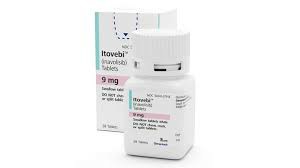
Inavolisib (trade name Itovebi) is a new, highly selective phosphatidylinositol-3-kinase alpha (PI3Kα) inhibitor, mainly used to treat hormone receptor-positive (
In terms of indications, inalise is mainly used for patients with HR+/HER2- breast cancer who have relapsed or progressed after previous endocrine therapy, and the presence of PIK3CA mutations needs to be confirmed through FDA or CE approved methods. This precise targeting strategy can significantly improve the efficacy of drugs while reducing the impact on normal cells. Before use, doctors usually conduct genetic testing through blood or tumor tissue samples to ensure that patients are eligible for medication. The combined treatment regimen of inalisate, palbociclib, and fulvestrant can be most effective only when a PIK3CA mutation is clearly present.
In terms of medication method, it is recommended to take inalisate orally once a day, 9mg each time, which can be taken with a meal or on an empty stomach. The conventional dose of the combination drug palbociclib is 125 mg once daily, with continuous administration for 21 days and discontinuation for 7 days to form a cycle of 28 days; Fulvestrant is usually injected intramuscularly once a month at a standard dose. If you miss a dose of inaliset, you should take it within 9 hours. If the time is exceeded, skip the current dose to avoid abnormal blood concentration caused by repeated medication. For patients who experience serious adverse reactions, such as hyperglycemia, rash, diarrhea, or abnormal liver function, the dose should be adjusted, suspended, or permanently discontinued if necessary under the guidance of a physician. Regular monitoring of blood sugar, liver function and kidney function is particularly important for safe use.
The adverse reactions of inariside mainly include metabolic abnormalities, skin reactions, gastrointestinal reactions and abnormal liver function. Hyperglycemia is the most common metabolic abnormality, which may lead to diabetic ketoacidosis in severe cases, so blood glucose needs to be monitored closely and pharmacological intervention is required as needed. Skin reactions include rash, dry skin or itching, etc. In severe cases, the medication needs to be suspended and treated accordingly. Gastrointestinal discomforts such as diarrhea, nausea, and vomiting are also common and can be relieved through symptomatic treatment. Some patients may experience elevated liver function indicators and need to be reviewed regularly and the treatment plan adjusted if abnormal. Inalise is contraindicated in special groups such as pregnant and lactating women, while patients with liver and kidney dysfunction should use it with caution and adjust the dosage according to the guidance of a doctor. Elderly patients usually do not need to adjust the dose, but need to be monitored for adverse reactions.
In terms of drug interactions, inaliset is mainly metabolized by CYP3A4. When combined with potent CYP3A4 inhibitors or inducers, it may affect blood concentration, thereby increasing adverse reactions or reducing efficacy. Therefore, it is necessary to evaluate the patient's medication history before taking the medication to avoid simultaneous use with potentially interacting drugs. In terms of storage, it should be placed in an environment below 30℃ and avoid moisture and direct sunlight to maintain drug stability and efficacy.
During the period of using inaliset, patients should strictly follow the doctor's instructions, maintain regular review and maintain a healthy lifestyle. The advantage of combined treatment is that the mechanisms are complementary. Inalise blocks the PI3K signaling pathway, and palbociclib inhibits cyclin-dependent kinase4/6(CDK4/6) controls cell proliferation, while fulvestrant works by inhibiting estrogen receptors. The synergy of the three can significantly improve the efficacy of endocrine-resistant breast cancer patients. In addition, patients need to pay attention to blood sugar management and skin care. If adverse reactions occur, they should seek medical treatment promptly and avoid adjusting the dosage on their own.
Overall, as a precise targeted drug for PIK3CA mutated breast cancer, inaliset provides a new treatment option for patients with endocrine resistance. Screening suitable patients through genetic testing, taking them strictly according to dosage, regularly monitoring biochemical indicators and managing adverse reactions can maximize drug efficacy while reducing risks. At present, the price of this drug is relatively high and it has not yet been included in the medical insurance system. Patients need to make reasonable decisions based on their economic status and doctor's advice when choosing. With the accumulation of clinical experience and the release of more research data, inalise is expected to provide long-term benefits to more breast cancer patients and improve the quality of life and survival prognosis.
Reference link:https://www.drugs.com
xa0
[ 免责声明 ] 本页面内容来自公开渠道(如FDA官网、Drugs官网、原研药厂官网等),仅供持有医疗专业资质的人员用于医学药学研究参考,不构成任何治疗建议或药品推荐。所涉药品可能未在中国大陆获批上市,不适用于中国境内销售和使用。如需治疗,请咨询正规医疗机构。本站不提供药品销售或代购服务。


