
.jpeg)
Analysis of the differences in therapeutic effects between Platinib (Pujihua) and Seputinib
Platinib (Pralsetinib) and Selpercatinib (Selpercatinib) both target RET gene fusions or mutations Oral small molecule tyrosine kinase inhibitor (TKI), mainly used for the treatment of RET driven non-small cell lung cancer (NSCLC), thyroid cancer and some other solid tumors. Both of them block tumor cell proliferation and survival signals by inhibiting the RET signaling pathway, thereby delaying disease progression. However, there are certain differences in molecular selectivity, scope of indications, and clinical efficacy.
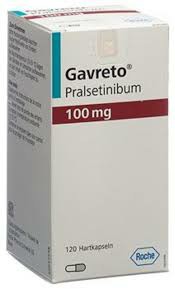
In terms of efficacy, Platinib has shown significant objective response rate (ORR) and disease control rate (DCR) in patients with RET fusion-positive non-small cell lung cancer, especially for patients who have previously received chemotherapy or other targeted drug treatments. Clinical data shows that platinib can effectively reduce tumor volume and improve symptoms. At the same time, some patients can also obtain certain relief from brain metastases. The stability and duration of its efficacy are better in long-term follow-up.
Seputinib also targets RET driven tumors and has advantages in blood-brain barrier permeability, so it is particularly effective in RET-positive patients with brain metastasis. Clinical trials have shown that seputinib has a high objective response rate and can prolong progression-free survival (PFS) in patients with RET fusion and thyroid cancer. Compared with platinib, seputinib has a slightly superior ability to control brain metastases, which makes it a certain clinical priority in patients with intermediate or advanced stages or at risk of brain metastases.
Taken together, platinib and seputinib both show good efficacy in RET targeted therapy, but their clinical characteristics are slightly different: platinib has a wide range of RETThe efficacy is stable in fusion-positive patients and is suitable for conventionalRET targeted therapy scenarios; Seputinib performs more prominently in patients with brain metastases and patients who require long-term maintenance therapy. Clinically, the most suitable targeted drug should be comprehensively selected based on the patient's mutation type, brain metastasis, previous treatment history, and tolerance to achieve the best therapeutic effect.
Reference link:https://www.drugs.com
[ 免责声明 ] 本页面内容来自公开渠道(如FDA官网、Drugs官网、原研药厂官网等),仅供持有医疗专业资质的人员用于医学药学研究参考,不构成任何治疗建议或药品推荐。所涉药品可能未在中国大陆获批上市,不适用于中国境内销售和使用。如需治疗,请咨询正规医疗机构。本站不提供药品销售或代购服务。


