
.jpeg)
Comparison of the efficacy of Bituvi/Bikonprenol tablets and raltegravir
In the development process of HIV (AIDS) antiretroviral treatment (ART), the choice of drugs directly affects the patient's long-term prognosis and compliance. Biktarvy and raltegravir (Raltegravir) are both globally recognized integrase inhibitor-related therapies, but there are certain differences between the two in terms of drug combination form, durability of efficacy, and safety. More and more patients will pay attention to the comparison between the two when choosing initial treatment or dressing change.
Bictegravir is a compound single-tablet preparation consisting of three ingredients: Bictegravir, Emtricitabine and Tenofovir alafenamide (TAF). It is a first-line treatment option that is highly recommended in current international guidelines. Its advantage is that it can be taken once a day and does not need to be strictly matched with food, simplifying the dosing regimen and significantly improving patient compliance. In contrast, raltegravir usually needs to be used in combination with other antiviral drugs, and the standard regimen is twice daily dosing, which increases the complexity of medication to a certain extent. For HIV patients who require long-term treatment, program simplification is not only related to the quality of life, but may also determine the long-term suppression effect.
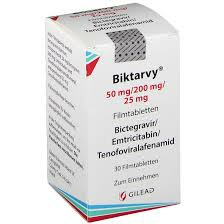
From the perspective of efficacy, studies and guidelines generally agree that Bikernprena tablets show high consistency in the durability of virological suppression. Its potent integrase inhibitory ability, combined with TAF, can maintain long-term virological suppression while protecting renal function and bone density. Although raltegravir is a representative of the first-generation integrase inhibitor, its antiviral effect is equally excellent in the short term, but some studies have shown that its resistance barrier is relatively low. If patients have insufficient compliance or are accompanied by other comorbidities, the risk of viral breakthrough may increase.
In terms of safety, both are well tolerated, but there are still differences. In the compound design of Bikern Prenol Tablets, TAF is used instead of traditional TDF, which is more outstanding in reducing the risk of kidney damage and bone density loss, and is especially suitable for people who take it for a long time. The safety profile of raltegravir is generally good, but there are occasional clinical reports of adverse reactions such as increased creatine kinase and muscle discomfort. Some patients require regular monitoring during treatment. It is worth noting that there are relatively few drug-drug interactions with Bikerenprenol tablets, while raltegravir needs to be used with caution when combined with some antacids or metal ion preparations, which may bring more restrictions to patients who require multi-drug combination therapy at the same time.
In terms of applicable groups, Bikeren Pronol tablets are more emphasized“First-line universal applicability” is widely recommended by international guidelines for both treatment-naïve patients and those with stable virological suppression who are changing medications. Raltegravir is currently used more often in patients who are sensitive to drug interactions or who require special regimens, such as certain patients with severe liver and kidney disease or pregnant women.
Reference materials:https://www.biktarvy.com/
[ 免责声明 ] 本页面内容来自公开渠道(如FDA官网、Drugs官网、原研药厂官网等),仅供持有医疗专业资质的人员用于医学药学研究参考,不构成任何治疗建议或药品推荐。所涉药品可能未在中国大陆获批上市,不适用于中国境内销售和使用。如需治疗,请咨询正规医疗机构。本站不提供药品销售或代购服务。


