
.jpeg)
Summary of the top ten contraindications while taking Enasidenib
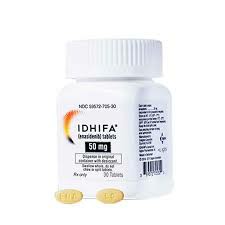
Enasidenib as anIDH2 inhibitor has received increasing attention in recent years in the treatment of hematological tumors such as acute myeloid leukemia (AML). This type of drug improves abnormal metabolic pathways in the bone marrow by targeting the mutated IDH2 enzyme, which is of great significance to the long-term remission of patients. However, in clinical application, in addition to focusing on the efficacy, medication contraindications and precautions are also key factors that affect the success of the treatment.
First of all, patients should avoid concurrent use with strong CYP3A4 inhibitors or inducers before taking the drug. Such drugs may change the metabolism level of ensidipine, thereby increasing toxic side effects or reducing efficacy.
Secondly, pregnant and lactating women should not use it. This drug has potential adverse effects on embryonic development. Therefore, pregnancy tests must be performed before and after treatment and effective contraceptive measures must be taken.
The third point is that it is prohibited for patients who are allergic to drug ingredients. Although this is a universal principle, it still needs to be repeatedly confirmed in clinical practice to prevent serious allergic reactions.
In addition, patients should avoid drinking alcohol casually during medication, because alcohol may increase the metabolic burden on the liver and induce abnormal liver function.
The fifth taboo is that patients with severely impaired liver function should use it with caution or even prohibit it. Many foreign pharmacological data suggest that ensidipine plays an important role in liver metabolism, and severe liver disease may significantly change the drug concentration.
Sixth, avoid concurrent use with other strong myelosuppressive drugs, otherwise it may further aggravate the decrease in granulocytes and platelets, and increase the risk of infection and bleeding.
The seventh contraindication involves patients with electrolyte abnormalities, especially low potassium and low magnesium. Such electrolyte disorders can easily lead to arrhythmias, and ensidipine may aggravate related adverse cardiac reactions.
The eighth point is that it is strictly prohibited to reduce the dosage or stop the medication without authorization. Some patients may suffer from adverse reactions such as differentiation syndrome in the early stage. Without intervention under the guidance of a doctor, blind discontinuation of the medication will affect the overall efficacy.
Ninth, avoid using it in combination with certain Chinese herbal medicines or health products, such as preparations containing St. John's wort. These products will affect drug-metabolizing enzymes and reduce the blood concentration of ensidipine.
Finally, the tenth taboo is that patients with serious infections need to be cautious, because the drug may temporarily reduce the immune system resistance before taking effect. Failure to control the risk of infection at this time may aggravate the condition.
Overall, ensidipine is a targeted precision treatment drug, and its value has been recognized by international guidelines and clinical practice, but reasonable and safe medication is the prerequisite for ensuring efficacy. During the course of taking the medicine, patients must follow the doctor's guidance, regularly check blood and liver and kidney functions, avoid interactions with contraindicated drugs or food, and remain sensitive to abnormal body reactions. If symptoms such as fever, bleeding, or difficulty breathing occur, they should seek medical attention immediately. Only if these taboos are fully understood can ensidipine truly exert its long-term benefits in the treatment of leukemia.
Reference materials:https://www.idhifa.com/
[ 免责声明 ] 本页面内容来自公开渠道(如FDA官网、Drugs官网、原研药厂官网等),仅供持有医疗专业资质的人员用于医学药学研究参考,不构成任何治疗建议或药品推荐。所涉药品可能未在中国大陆获批上市,不适用于中国境内销售和使用。如需治疗,请咨询正规医疗机构。本站不提供药品销售或代购服务。


