
.jpeg)
Momelotinib appears to have good safety profile in MF treatment
In medical research in recent years, treatment options for patients with myelofibrosis (MF) have been continuously updated. Among them, the safety comparison between momelotinib and fedratinib has attracted widespread attention. According to the latest research results, molotinib shows a better safety profile than fedratinib in patients with MF, especially in significantly reducing the risk of key hematological and gastrointestinal adverse events such as anemia, nausea and diarrhea. These findings provide a more tolerable treatment option for patients with myelofibrosis.
This study conducted a detailed comparison and evaluation by analyzing data from three clinical trials testing molotinib and two clinical trials testing fizotinib. The research team focused on a population of MF patients who experienced at least 10% of adverse events during the trial and who may or may not have received prior Janus kinase (JAK) treatment.
The study results showed that patients who received molotinib had a significantly lower risk of experiencing any grade of anemia, nausea, and diarrhea, including the risk of grade 3 and 4 adverse events, than patients who received fizotinib, regardless of whether they had previously received JAK treatment. In addition, the study also found that the incidence of thrombocytopenia was also significantly reduced in MF patients treated with molotinib, especially in those patients who had not received JAK treatment.
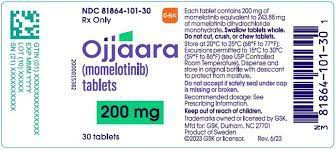
After analyzing the results, the researchers noted:"Overall, this analysis further strengthens molotinib's good safety record and provides important insights into its relative safety based on the latest phase III trial data." They emphasized that although the current results are encouraging, future direct comparison studies of molotinib and filotinib are still needed to obtain more reliable evidence to confirm the differences in safety and effectiveness between the two.
Molotinib and fizotinib are both JAK inhibitors that have been approved for the treatment of patients with myelofibrosis. JAK inhibitors help control symptoms related to MF and improve patients' quality of life by intervening in intracellular signaling pathways. However, JAK inhibitors may cause a series of adverse reactions during treatment, especially hematological and gastrointestinal problems, so choosing the right drug is crucial for patient treatment.
In developing a treatment plan, doctors take into account the patient's medical history, current health, and tolerance for different medications. The findings suggest molotinib's superior safety profile may make it a more attractive treatment option, particularly in patients with anemia or other comorbidities. Therefore, doctors can use these new findings as a reference when evaluating treatment options to develop personalized treatment plans for patients.
As myelofibrosis treatments are further studied, more data on the safety and effectiveness of drugs will continue to emerge. Future research needs to not only continue to explore the relative safety of different treatment options, but also focus on patients' long-term survival and quality of life. Through the continued advancement of clinical trials, researchers hope to provide more effective and safe treatment options for MF patients, thereby improving their prognosis and quality of life.
Reference materials:https://www.hematologyadvisor.com/news/myelofibrosis-momelotinib-appears-favorable-safety-profile-treatment/
[ 免责声明 ] 本页面内容来自公开渠道(如FDA官网、Drugs官网、原研药厂官网等),仅供持有医疗专业资质的人员用于医学药学研究参考,不构成任何治疗建议或药品推荐。所涉药品可能未在中国大陆获批上市,不适用于中国境内销售和使用。如需治疗,请咨询正规医疗机构。本站不提供药品销售或代购服务。


