
.jpeg)
Possible risks and countermeasures after sudden discontinuation of Inalisate (Iheli)
1. Drug Overview and Mechanism of Action
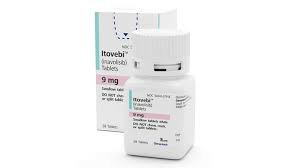
Inavolisib (trade name: Inavolisib) is an oral PI3K α selective inhibitor, mainly used to treat PIK3CA mutation-positive breast cancer and other solid tumors. The drug achieves anti-cancer effects by selectively inhibiting the PI3Kα signaling pathway, blocking downstream AKT/mTOR signals, and inhibiting tumor cell proliferation and survival. Clinically, inaliset is often used in combination with endocrine therapy or other targeted drugs, especially for HR+/HER2- breast cancer patients with PIK3CA mutations, to delay disease progression and improve progression-free survival (PFS).
Since inariside achieves its efficacy by continuously inhibiting tumor signaling pathways, discontinuation of the drug may lead to the reactivation of tumor signaling, so it is important to follow the doctor's instructions and take the medication regularly.
2. Possible main risks of sudden discontinuation of medication
1.Risk of disease rebound and tumor progression
Abrupt discontinuation may causePI3Kα signaling pathway to quickly resume activity, causing originally suppressed tumor cells to re-proliferate. Clinical observation shows that after long-term use of targeted drugs, sudden discontinuation of the drug may cause some patients to experience a short-term increase in tumor load or accelerated lesion progression, or even symptom recurrence. For example, breast cancer patients may experience increased breast lumps or increased pain.
2. Increased risk of drug resistance
Irregular or sudden drug withdrawal may prompt tumor cells to quickly adapt to the drug-deficient environment, increasing the possibility of drug-resistant mutations or clonal selection . Drug-resistant tumors not only have a reduced response to re-administration of inalised, but may also have an impact on the efficacy of combination therapy, thereby limiting future treatment options.
3.Endocrine and metabolic fluctuations
Inalised is often used in combination with endocrine therapy, such as aromatase inhibitors or estrogen receptor modulators. Sudden discontinuation may lead to abnormal fluctuations in estrogen levels or downstream signals, aggravate tumor stimulation, and even cause metabolic side effects such as weight changes, edema, or mild blood sugar abnormalities.
3. Countermeasures and clinical suggestions
1.Gradually adjust the dosage as directed by your doctor
If the drug must be stopped due to special circumstances, it should be under the guidance of a professional doctor Gradually reduce the dose or adopt an intermittent drug withdrawal plan to avoid complete drug withdrawal at one time, thereby reducing the risk of tumor rebound and drug resistance.
2.Closely monitor the condition and perform imaging examinations
During the period of drug withdrawal, imaging review (such as MRI or CT) should be performed regularly to monitor tumor size and changes in lesions; blood indicators and liver and kidney functions should also be monitored to detect abnormalities in a timely manner.
3.Symptomatic support and lifestyle intervention
During the drug withdrawal period, patients should maintain a healthy diet, moderate exercise and a good daily routine, avoid overexertion or infection, and support the body's metabolism and immune function to reduce the risk of disease progression. If necessary, auxiliary drugs, such as analgesics, anti-inflammatory drugs or local supportive treatments, can be used under the guidance of a doctor to improve symptoms.
4. Develop follow-up treatment plan
If the tumor progresses or symptoms worsen after stopping the drug, you should communicate with the oncologist as soon as possible to evaluate whether to restart inaliside or change to other targeted drugs. In clinical practice, the effect of re-treatment after drug withdrawal is affected by the time of drug withdrawal, tumor burden and drug resistance. Therefore, a response strategy should be formulated in advance before drug withdrawal.
4. Summary and risk management
In general, discontinuation of Inalisate (Iheli) is not a simple interruption of treatment, but may bring risks such as tumor rebound, increased drug resistance, and metabolic fluctuations . Patients should follow the following principles:
1.Take the medication strictly according to the doctor’s instructions and avoid stopping the medication without authorization;
2.If it is really necessary to stop the drug, the dose should be gradually reduced and implemented under the supervision of a doctor;
3. Regularly review tumor imaging and blood indicators to detect abnormalities in a timely manner;
4.A healthy lifestyle and necessary supportive treatment can reduce the discomfort caused by drug withdrawal;
Develop follow-up treatment plans in advance to ensure rapid response if the tumor recurs or progresses.
Through scientific management and risk prevention and control, patients can minimize adverse effects while ensuring disease control and quality of life when discontinuing medication or adjusting treatment courses.
Reference link:https://www.drugs.com
[ 免责声明 ] 本页面内容来自公开渠道(如FDA官网、Drugs官网、原研药厂官网等),仅供持有医疗专业资质的人员用于医学药学研究参考,不构成任何治疗建议或药品推荐。所涉药品可能未在中国大陆获批上市,不适用于中国境内销售和使用。如需治疗,请咨询正规医疗机构。本站不提供药品销售或代购服务。


