
.jpeg)
Effects of long-term use of Fenelidone (Keshenda) for one year on renal failure
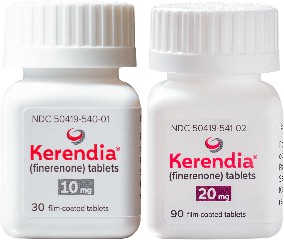
Finerenone (Finerenone) is a new type of non-steroidal selective mineral cortical receptor antagonist (MRA), mainly used to treat patients with chronic kidney disease (CKD) accompanied by 2 type diabetes. It reduces inflammation and fibrosis in the kidneys and heart by inhibiting mineralocortical receptor (MR) activity, thereby delaying the deterioration of renal function. Finelidone has less of an impact on potassium levels than traditional spironolactone or eplerenone, while still effectively protecting kidney tissue structure and function.
In large clinical trials FIDELIO-DKD and FIGARO-DKD , patients taking fenelidone for a year or more showed significant renal protection. Specifically, the rate of decline in renal function is slowed, urinary protein excretion is reduced, and the risk of end-stage renal failure events (such as end-stage renal disease, dialysis, or kidney transplantation) is significantly reduced. Research data shows that after one year of long-term use, the rate of renal function decline in the fenelidone group can be reduced by approximately 18%-20% compared to the placebo group, suggesting that it has a positive intervention effect on chronic renal failure.
Although fenelinone has obvious renal protection, potential side effects still need to be paid attention to during long-term use. The most common adverse reaction is increased blood potassium (hyperkalemia), especially in patients with high basal blood potassium or combined with chronic renal insufficiency. Clinically, it is recommended to regularly monitor serum potassium and renal function indicators, and if necessary, control serum potassium levels by adjusting dosage or rehydrating fluids, diuretics, etc. In addition, some patients may experience a mild drop in blood pressure, fatigue or dizziness, but the overall tolerance is good and serious adverse events are rare.
Taken together, long-term use of fenelidone for one year can significantly delay the progression of renal failure, reduce the risk of end-stage renal disease events, and provide an effective renal protection strategy for patients with chronic kidney disease. Clinically, it is recommended to combine ACEI or ARB under the guidance of a doctor, and maintain regular monitoring of blood pressure, serum potassium and renal function. At the same time, patients should pay attention to lifestyle interventions, such as controlling blood sugar, blood pressure, and dietary sodium intake, to maximize drug efficacy and reduce the risk of complications. Long-term use of fenelidone provides a safe and effective new option for delaying the deterioration of renal function for high-risk CKD patients.
Reference link:https://www.drugs.com
[ 免责声明 ] 本页面内容来自公开渠道(如FDA官网、Drugs官网、原研药厂官网等),仅供持有医疗专业资质的人员用于医学药学研究参考,不构成任何治疗建议或药品推荐。所涉药品可能未在中国大陆获批上市,不适用于中国境内销售和使用。如需治疗,请咨询正规医疗机构。本站不提供药品销售或代购服务。


