
.jpeg)
Analysis of the efficacy, common side effects and treatment methods of Regorafenib (Belvango)
1. Overview and indications of regorafenib
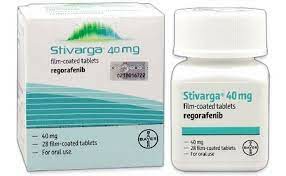
Regorafenib (trade name: Stivarga®) is an oral multi-target tyrosine kinase inhibitor (Multi-Kinase Inhibitor, MKI) that can inhibit a variety of signaling pathways related to angiogenesis, tumor microenvironment and tumor cell proliferation, including VEGFR1-3, TIE2, KIT, RET, RAF and other targets. Its mechanism of action covers three aspects: anti-angiogenesis, inhibition of tumor cell proliferation and anti-tumor microenvironment modification, and can inhibit tumor progression through multiple pathways. Regorafenib has been approved by the FDA for the treatment of patients with metastatic colorectal cancer (mCRC), hepatocellular carcinoma (HCC) and gastrointestinal stromal tumor (GIST) after prior standard therapy. It is an important oral targeted drug for advanced or drug-resistant tumors.
2. Clinical efficacy
In clinical studies, regorafenib has shown significant efficacy against a variety of advanced tumors. In the CORRECT trial, for patients with metastatic colorectal cancer who had previously received fluorouracil, oxaliplatin, and irinotecan, the median overall survival (OS) of the regorafenib group reached 6.4 months, which was significantly better than that of the placebo group. 5.0 months, and prolonged progression-free survival (PFS). For GIST patients, the GRID study showed that regorafenib can extend progression-free survival to 4.8 months, especially in patients who have failed imatinib or sitinib treatment.
In terms of hepatocellular carcinoma, RESORCE and other trials have shown that regorafenib can be used as a second-line option after sorafenib treatment to improve the survival rate of patients with advanced HCC and at the same time inhibit tumor growth rate. Overall, the efficacy of regorafenib in advanced tumors is mainly reflected in prolonging survival, controlling tumor progression, and disease remission in some patients. It is a more reliable choice among multi-target inhibitors.
3. Common side effects and characteristics
As a multi-target kinase inhibitor, regorafenib's side effects involve multiple systems, mainly including:
1.Skin reactions: Hand-foot syndrome (HFS), rash, itching, etc. are the most common adverse reactions. HFS manifests as erythema, pain or blistering on the palms and soles of the feet, which can affect daily life in some patients.
2.Digestive system reactions: diarrhea, loss of appetite, nausea, vomiting, etc. Some patients suffer from mild to moderate dehydration or weight loss.
3. Abnormalities in hematology and liver function: Some patients experience decreased platelets, lymphopenia, elevated liver function transaminases, and a few patients may experience severe liver damage.
4.Others: high blood pressure, fatigue, fatigue and mild bleeding tendency. Especially during long-term treatment, cardiovascular and blood indicators need to be monitored.
Most of these side effects are manageable, but they need to be identified and dealt with promptly to ensure that patients can continue to take the medication and achieve its efficacy.
4. Side effects treatment methods and medication suggestions
There are a variety of clinical management strategies for the adverse reactions of regorafenib:
1.Skin reaction management: When hand-foot syndrome occurs, you can use local moisturizing cream, urea ointment or reduce the amount of treatment, and avoid high temperature or friction stimulation. Moderate to severe HFS The medication can be suspended until the symptoms are relieved, and then resumed with a reduced dosage.
2.Digestive system support: When diarrhea or nausea occurs, oral rehydration salts, antidiarrheal drugs (such as loperamide) and a light diet can be used. Severe dehydration requires intravenous rehydration.
3.Blood and liver function monitoring: Blood routine, liver function and kidney function need to be reviewed regularly before medication and during treatment. If it is found that ALT/AST > 5 times the upper limit of normal, or the platelet count is too low, temporary discontinuation or dose reduction should be considered.
4.Dose adjustment strategy: The standard dose of regorafenib is 160mg/ days, consecutive 21 days, and every 28 days constitutes a cycle. When adverse reactions of grade ≥3 occur, the dose can be reduced to 120mg or 80mg/days, and treatment can be suspended if necessary. After recovery, the dose can be gradually adjusted to the tolerated dose under the guidance of a doctor.
5.Lifestyle intervention: Maintaining adequate rest, eating a reasonable diet, and avoiding infections and excessive physical labor can help reduce fatigue, skin and digestive system side effects.
Regofenib, as a multi-target tyrosine kinase inhibitor, has shown significant efficacy in previously treated or drug-resistant patients with advanced colorectal cancer, GIST and hepatocellular carcinoma, and can prolong survival and control tumor progression. The main side effects are skin reactions, gastrointestinal reactions and abnormal blood/ liver function. However, through early monitoring, life intervention and dose adjustment, most patients can safely tolerate it. Correct identification and management of side effects are key to ensuring the continuity and efficacy of regorafenib treatment, while also bringing higher quality of life and clinical benefits to patients.
Reference link:https://www.drugs.com
[ 免责声明 ] 本页面内容来自公开渠道(如FDA官网、Drugs官网、原研药厂官网等),仅供持有医疗专业资质的人员用于医学药学研究参考,不构成任何治疗建议或药品推荐。所涉药品可能未在中国大陆获批上市,不适用于中国境内销售和使用。如需治疗,请咨询正规医疗机构。本站不提供药品销售或代购服务。


