
.jpeg)
Detailed interpretation of the instructions and precautions for larotrectinib (Vitaika)
1. Basic information and mechanism of action of drugs
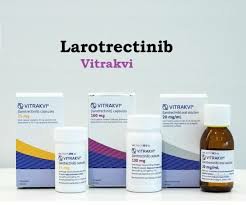
Larotrectinib (trade name Vitrakvi®) is a highly selective tropomyosin receptor jointly developed by Bayer (Bayer) and Loxo Oncology kinase) inhibitors. It is one of the first targeted drugs in the world to be approved for "tumor-agnostic indications", which means that its scope of approval is not limited to specific organ cancer types, but is applicable to patients with solid tumors that are positive for the NTRK fusion gene. Larotrectinib selectively inhibits the kinase activity of TRK fusion protein and blocks the downstream MAPK and PI3K signaling pathways, thereby inhibiting tumor cell proliferation and survival. It is characterized by high accuracy and relatively mild side effects.
2. Indications, usage, dosage and clinical efficacy
According to the instructions published by the US FDA and the European EMA , the indications for larotrectinib are: suitable for all ages (adults and children) NTRK Patients with fusion gene-positive locally advanced or metastatic solid tumors who have no other effective treatment options or who still need medication after failure of standard treatments.
Usage and dosage:
The recommended dose for adults is 100mg, taken orally twice daily;
Pediatric patients can adjust the dose according to the body surface area (generally 100mg/m², twice daily, the maximum single dose does not exceed 100mg).
The medicine needs to be swallowed whole, with food or on an empty stomach.
In clinical trials (including I/II basket trial), larotrectinib has demonstrated a high objective response rate (ORR) of approximately 75% in multiple cancer types. Around , some patients can achieve sustained remission for more than 1 years. Its characteristics of "pan-cancer types and wide coverage" make it of epoch-making significance in precision tumor treatment.
3. Common adverse reactions and medication contraindications
Although larotrectinib is generally well tolerated, certain adverse reactions may still occur. Common side effects listed in the instructions include:
1.Mild to moderate side effects: such as fatigue, dizziness, nausea, vomiting, constipation, cough, elevated liver function transaminases, etc. Most of them belong to grade 1-2 and can be treated with symptomatic support.
2.Nervous system-related adverse reactions: Because TRK protein is related to neurodevelopment, some patients may experience dizziness, abnormal sensation or unsteady gait.
3.Laboratory test abnormalities: mainly elevated liver function indicators (ALT/AST), and some patients may also experience a decrease in hemoglobin.
4.Serious adverse reactions: A small number of patients will need to reduce the dose or discontinue the drug due to drug-related toxicity, especially persistent liver damage or serious neurological events.
Taboos and precautions:
1.Contraindicated for those who are allergic to larotrectinib or any of its ingredients;
2. Use with caution by pregnant and lactating women as it may affect the fetus and infant;
3.Those with severe hepatic insufficiency need to adjust the dose and strengthen monitoring;
4.Pediatric patients need to monitor their development and neurological conditions during long-term treatment.
4. Clinical precautions and safe medication recommendations
During the use of larotrectinib, patients and doctors need to pay special attention to the following matters:
1.Prerequisites for genetic testing: larotrectinib is only effective for NTRK fusion-positive patients, so it must be clarified through high-throughput sequencing (NGS) or FISH before use. NTRK Gene fusion status to avoid ineffective treatment.
2.Dose adjustment rules: If the patient develops symptoms during treatment 3-4 grade toxic reactions (such as severe liver function damage), the medication needs to be suspended, and the dose can be continued after recovery. The instructions recommend a gradual dose reduction, for example from 100mg bid to 75mg bid, and if still intolerable, further reduction to 50mg bid.
3.Drug interactions: Larotrectinib is mainly metabolized through the CYP3A4 pathway, so potent CYP3A inhibitors (such as ketoconazole) or inducers (such as rifampicin) may significantly affect its plasma concentration, so caution or avoidance of combination is required. Patients need to inform their doctor in advance if they need to take antiepileptic drugs, antifungal drugs, or antibiotics at the same time.
4.Long-term management and follow-up:
Regularly monitor liver function, blood routine and electrocardiogram to detect potential toxicity in a timely manner;
Pay attention to neurological symptoms (such as abnormal gait, dizziness), and seek medical attention immediately if serious adverse reactions occur;
Pediatric patients need to monitor height and weight development indicators to evaluate the potential impact of drugs on growth.
Larotinib, as the first batch of TRK inhibitors, not only marks the true implementation of "pan-cancer" targeted therapy, but also provides new treatment options for patients with rare gene-driven tumors. Its instructions clearly define indications, usage and dosage, adverse reactions and contraindications. In clinical use, the biggest difficulty lies in how to select suitable patients through accurate genetic testing and conduct strict monitoring and management during the treatment process. For patients, rationally choosing regular channels to purchase medicines, following medical advice, and regular review are the keys to ensuring efficacy and safety.
Reference link:https://www.drugs.com
[ 免责声明 ] 本页面内容来自公开渠道(如FDA官网、Drugs官网、原研药厂官网等),仅供持有医疗专业资质的人员用于医学药学研究参考,不构成任何治疗建议或药品推荐。所涉药品可能未在中国大陆获批上市,不适用于中国境内销售和使用。如需治疗,请咨询正规医疗机构。本站不提供药品销售或代购服务。


