
.jpeg)
Analysis of the reasons why some patients do not recommend long-term use of donepezil (Aricept)
Donepezil is a commonly used reversible acetylcholinesterase inhibitor, mainly used in patients with mild to moderate Alzheimer's disease (AD). By inhibiting the decomposition of acetylcholine, it increases the concentration of acetylcholine in the brain, thereby improving cognitive function and daily living abilities. However, although the drug can bring about short-term cognitive improvements, many patients and clinicians still have concerns about long-term use.
Long-term use of donepezil may lead to tolerability issues. As the medication is prolonged, some patients' brains may become less sensitive to acetylcholine levels, resulting in a weakening or stagnation of improvement in cognitive function. This means that even if medication is adhered to, the cognitive benefits of the drug may not be maintained over time, and patients experience a gradual decrease in efficacy, thus affecting compliance.
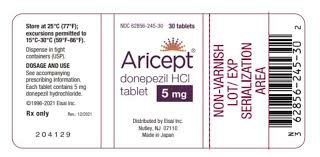
Long-term side effects of donepezil are also a limiting factor. Common adverse reactions include nausea, vomiting, diarrhea, loss of appetite, and insomnia or headache. With prolonged use, these symptoms may accumulate or worsen, especially in elderly patients, which may cause weight loss, electrolyte imbalance, or increase the risk of falls, affecting quality of life and physical health.
Long-term medication may put a certain burden on the cardiovascular system. Donepezil may cause bradycardia or conduction block, and long-term use may increase the risk of cardiovascular events in patients with existing heart disease or arrhythmias. Clinical monitoring and evaluation must be carried out in conjunction with the patient's basic cardiac function, otherwise the potential risks may exceed the cognitive improvement benefits brought by the drug.
In summary, although donepezil is effective in improving cognitive function in the short term, long-term use may not be suitable for all patients due to decreased tolerance, accumulation of side effects, and increased cardiovascular risk. Therefore, in clinical practice, individualized medication plans should be formulated based on the patient's specific conditions, efficacy and safety should be regularly evaluated, and dosage should be adjusted or other treatment strategies adopted when necessary to maximize drug benefits while ensuring safety.
Reference link:https://www.drugs.com
[ 免责声明 ] 本页面内容来自公开渠道(如FDA官网、Drugs官网、原研药厂官网等),仅供持有医疗专业资质的人员用于医学药学研究参考,不构成任何治疗建议或药品推荐。所涉药品可能未在中国大陆获批上市,不适用于中国境内销售和使用。如需治疗,请咨询正规医疗机构。本站不提供药品销售或代购服务。


