
.jpeg)
Changes in efficacy and body response after two consecutive years of taking Mavakatai
Mavacamten is a new type of selective cardiac myosin inhibitor (myosin inhibitor), mainly used to treat patients with hypertrophic cardiomyopathy ( HCM), especially those with obstructive cardiomyopathy (oHCM). It improves cardiac function and patient symptoms by directly regulating the myocardial contractile mechanism, reducing myocardial hypercontraction and left ventricular outflow tract obstruction (LVOT). The clinical efficacy and physical response after two years of continuous use are important issues of concern in current medical research and clinical practice.
First of all, from the perspective of efficacy, taking Mavaceta for two consecutive years can significantly improve left ventricular outflow tract obstruction and exercise capacity in patients with HCMHCM. In long-term follow-up studies, cardiac ultrasound evaluation of patients showed that the left ventricular outflow tract pressure gradient continued to decrease, and some patients even returned to near-normal levels. At the same time, exercise tolerance and heart failure symptoms were significantly improved, such as the walking distance in 6 minutes was increased, and the symptoms of palpitations and dyspnea were alleviated. Patients who took the medication continuously for two years also had significant improvements in NYHA cardiac function class, with more patients improving from class II to class I or remaining in a low-risk state.
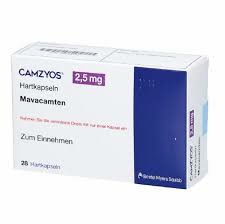
Secondly, the long-term effects of Mavaceta on myocardial structure have gradually emerged. Long-term medication can reduce the progression of ventricular hypertrophy, and some patients have a decrease in myocardial thickness, which may be related to inhibiting excessive myocardial contraction and improving myocardial stress. At the same time, two consecutive years of medication can stabilize cardiac systolic function, reduce the risk of arrhythmias, and improve quality of life. However, there are still individual characteristics in the differences in efficacy. The underlying disease course, age, and comorbidities of different patients will affect the long-term effects of the drug. Therefore, individualized dosage adjustments and follow-up strategies are needed in clinical practice.
In terms of physical reactions, long-term use of Mavacartide is generally well tolerated, but potential side effects still need to be paid attention to. Common manageable side effects include mild to moderate dizziness, fatigue, blood pressure fluctuations, and mild decreases in heart rate. Two consecutive years of follow-up showed that the incidence of severe cardiac depression or insufficient cardiac contraction due to the drug was low, but cardiac function still needs to be monitored regularly through cardiac ultrasound and blood biomarkers. In addition, some patients may experience edema, fatigue or mild gastrointestinal discomfort, which can be relieved by dose adjustment or intermittent medication.
Generally speaking, continuous use of Mavaceta for two years can maintain and further consolidate the early effects, significantly improve left ventricular outflow tract obstruction, exercise capacity and heart failure symptoms, and at the same time have a certain protective effect on myocardial structure. The safety of long-term medication is good, but cardiac function indicators and side effects still need to be monitored regularly to ensure the optimization of individualized treatment plans. For patients with long-term HCM, Mavaceta provides effective drug intervention, which can help delay disease progression, improve quality of life, and provide a reference for longer-term management in the future.
Reference link:https://www.drugs.com
[ 免责声明 ] 本页面内容来自公开渠道(如FDA官网、Drugs官网、原研药厂官网等),仅供持有医疗专业资质的人员用于医学药学研究参考,不构成任何治疗建议或药品推荐。所涉药品可能未在中国大陆获批上市,不适用于中国境内销售和使用。如需治疗,请咨询正规医疗机构。本站不提供药品销售或代购服务。


