
.jpeg)
Circumstances in which the use of crizotinib/Xalkori is not clinically recommended
Crizotinib is a small molecule tyrosine kinase inhibitor that was originally developed for the treatment of non-small cell lung cancer (NSCLC). The main indications are patients with ALK-positive locally advanced or metastatic non-small cell lung cancer and ROS1-positive advanced non-small cell lung cancer. However, not all patients are suitable for long-term use of crizotinib, and there are some clinical situations where its use is not recommended or requires careful evaluation.
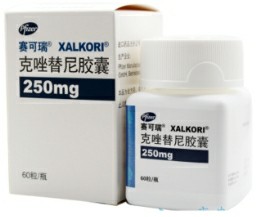
First of all, if the patient's genetic testing does not findALK or ROS1 fusion mutations, treatment with crizotinib is usually ineffective. Because the mechanism of action of crizotinib is to block the proliferation of cancer cells by inhibiting the ALK and ROS1 signaling pathways, if these driver gene mutations are lacking, the drug will hardly be able to produce the expected efficacy. Second, the risk of using crizotinib is higher in patients with severely impaired liver function. The drug is mainly metabolized by the liver. If the patient has severe liver damage, the clearance rate of the drug will be significantly reduced, thereby increasing the risk of toxic reactions, including elevated liver enzymes and liver failure.
In addition, crizotinib is not an ideal choice for patients with underlying arrhythmias. Studies have shown that the drug may prolong the QT interval and increase the risk of serious arrhythmias. Therefore, clinicians often need to conduct electrocardiogram monitoring before prescribing. Furthermore, some patients will experience significant interstitial pneumonia or severe respiratory adverse reactions during use. If it is confirmed that it is related to the drug, the drug often needs to be stopped immediately.
In general, crizotinib is a precisely targeted drug, but not all patients with lung cancer are suitable for use. Genetic test results, liver and heart function, adverse reaction tolerance, etc. are all key factors for clinicians to recommend use. If patients want to obtain the maximum benefit, they should conduct individualized treatment under the guidance of an oncologist rather than blindly following the trend.
Reference materials:https://go.drugbank.com/drugs/DB08865
[ 免责声明 ] 本页面内容来自公开渠道(如FDA官网、Drugs官网、原研药厂官网等),仅供持有医疗专业资质的人员用于医学药学研究参考,不构成任何治疗建议或药品推荐。所涉药品可能未在中国大陆获批上市,不适用于中国境内销售和使用。如需治疗,请咨询正规医疗机构。本站不提供药品销售或代购服务。


