
.jpeg)
Analysis of the efficacy and safety of Tepotinib (Tuodekang) in the VISION study
1. Research background and drug introduction
Tepotinib is a selective METtyrosine kinase inhibitor, mainly used to treat patients with METexon 14 skipping mutations (METex14 Skipping) advanced non-small cell lung cancer (NSCLC). The incidence of this mutation type in NSCLC patients is about 2%–4%. It is common in elderly patients, and traditional chemotherapy or immunotherapy has limited efficacy, and the prognosis is generally poor. In order to verify the clinical value of tepotinib in this population, researchers conducted the VISION study, which is a key clinical trial to evaluate the efficacy and safety of the drug.
2. VISIONResearch Design
The VISION study is an international multi-center, open-label, single-arm phase II clinical study. The study included patients diagnosed with locally advanced or metastatic NSCLC and with skip mutations in METex14. The enrollment method included both tissue biopsy and liquid biopsy (ctDNA detection) to expand population coverage. Patients take Tepotinib 500mg (recommended dose) orally daily until disease progression or intolerance. The primary endpoint of the study is objective response rate (ORR), and secondary endpoints include duration of response (DoR), progression-free survival (PFS), overall survival (OS), and safety.
3. Efficacy analysis
In terms of efficacy, the VISION study results show that tepotinib has high anti-tumor activity in patients with METex14 mutated NSCLC:
Objective response rate (ORR): The ORR of the overall population is approximately 46%, and some patients can achieve complete remission.
Duration of response (DoR): The median duration of response is approximately 11.1 months, indicating that the efficacy is relatively durable.
Progression-free survival (PFS): The median PFS is about 8.5 months, which is significantly better than the previous standard treatment options.
Overall survival (OS): The median overall survival is approximately 17 months, which is particularly significant among elderly patients.
It is worth noting that the study found that the efficacy of tepotinib was similar regardless of whether tissue biopsy or liquid biopsy was used to confirm the METex14 mutation, which suggested the feasibility and convenience of liquid biopsy as a detection method. In addition, tepotinib has also shown certain efficacy in some patients with brain metastases, indicating that it may have the potential to cross the blood-brain barrier.
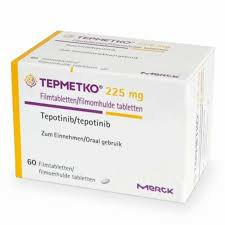
4. Security analysis
In terms of safety, the VISION study results show that tepotinib is generally well tolerated, and the vast majority of adverse reactions are controllable low to moderate toxicity.
1.Common adverse events: Peripheral edema is the most common adverse reaction, with an incidence rate exceeding 50%, but most are mild to moderate and can be alleviated by diuretics, raising the affected limb and adjusting lifestyle.
2. Gastrointestinal reactions: including nausea, diarrhea, loss of appetite, etc., which are usually tolerated under supportive treatment.
3.Abnormal laboratory indicators: such as elevated liver function transaminase, hypoalbuminemia, etc., mostly in the 1–2 grade, which can be managed through monitoring and dose adjustment.
4.Serious adverse reactions: A small number of patients may develop interstitial lung disease/pneumonia-like reactions, which require close monitoring and timely discontinuation of medication.
In general, the adverse reaction spectrum of tepotinib is similar to that of other MET inhibitors, but the incidence of peripheral edema is more prominent. Most side effects can be managed with dose adjustment or supportive therapy, and only a few patients require permanent discontinuation of the drug.
5. Clinical significance and inspiration
The success of the VISION study made tepotinib one of the first targeted drugs approved for METex14mutated NSCLC in the world. Its clinical value is reflected in the following aspects:
1.Meeting unmet clinical needs: Tepotinib provides a clear survival benefit for this patient group with poor prognosis and lack of effective treatment options.
2.Application of liquid biopsy: VISION The study has verified the effectiveness of blood testing in population screening for targeted therapy, providing a practical basis for clinical promotion.
3.Accessibility to elderly patients: Since most patients with METex14 mutations are elderly, Tepotinib is taken orally and is well tolerated, making it of great significance to this group.
4.Future prospects: As more data accumulates, tepotinib may be used in combination with immunotherapy, chemotherapy or other targeted drugs to further improve efficacy and delay drug resistance.
In the VISION study, tepotinib demonstrated efficacy in METex14 mutated non-small cell lung cancer. With an objective response rate of approximately 46%, a median response duration of 11 months, and a median overall survival of 17 months, the efficacy is clear and durable. In terms of safety, the most common adverse reactions are peripheral edema and digestive tract discomfort, which are generally controllable. This study not only established the status of tepotinib in METex14mutatedNSCLC, but also promoted the further development of precision medicine in the field of rare mutation lung cancer.
Reference link:https://www.drugs.com
[ 免责声明 ] 本页面内容来自公开渠道(如FDA官网、Drugs官网、原研药厂官网等),仅供持有医疗专业资质的人员用于医学药学研究参考,不构成任何治疗建议或药品推荐。所涉药品可能未在中国大陆获批上市,不适用于中国境内销售和使用。如需治疗,请咨询正规医疗机构。本站不提供药品销售或代购服务。


