
.jpeg)
Semaglutide, tilpotide linked to small increase in risk of eye disease
One study found that patients with type 2 diabetes who took semaglutide or Tirzepatide had a slightly higher risk of developing nonarteritic anterior ischemic optic neuropathy (NAION) and other optic nerve diseases than patients who took other antidiabetic drugs. While the overall risk remains low, the findings highlight the importance of monitoring patients taking these medications for vision-related complications.
In the study, patients with type 2 diabetes who took semaglutide or tilpotide were found to have varying degrees of risk for optic nerve and visual pathway disease, and an increased risk of NAION and other optic nerve diseases, independent of optic neuritis, papilledema, optic atrophy, or optic disc disease. Each optic nerve and visual pathway disorder has a different cause.
NAION is the most common cause of acute optic nerve injury in adults over 50 years of age. 2 It is characterized by sudden, painless vision loss, but its underlying pathogenesis remains poorly understood and there are currently no proven treatments. In the United States, the annual incidence rate is estimated to be 2.3 to 10.2 cases per 100,000 people over 50 years of age and 0.54 cases per 100,000 people of all ages. Men and women are affected equally, with white people most at risk.
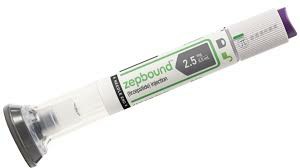
Researchers conducted a cohort study usinga nationwide, population-based U.S. electronic health record (EHR) database from December 2017 to January 2021 to simulate a targeted trial. Eligible participants include more than 1.5 million adults with T2D who have not previously been diagnosed with the eye disease and are taking semaglutide, tilpotide, or other antidiabetic medications.
To reduce confounding, the study used propensity score matching to balance baseline characteristics between groups, with a total of 159,398 matched patients. The primary outcome was the first diagnosis of NAION and other optic nerve or visual pathway disease, assessed over a 2-year follow-up period.
Among patients withT2D, patients takingsemaglutide or tilpotide had a higher incidence of optic nerve disease than those taking other antidiabetic medications. During the follow-up period, there were Thirty-five patients (0.04%) developed NAION compared with 19 patients (0.02%) in the control group (HR, 1.76; 95% CI, 1.01-3.07). Additionally, 93 patients (0.12%) in the treatment group had other optic nerve disorders compared with 54 patients (0.07%) in the control group (HR, 1.65; 95% CI, 1.18-2.31).
No significant association was observed with other disorders of the optic nerve or visual pathways. Although the absolute risk remains low, the findings suggest a modest but significant increase in risk associated with the use of semaglutide and tilpotide.
However, the researchers acknowledged some study limitations, including reliance on retrospectiveEHR data, which poses unmeasured risks of confounding, bias and misclassification. Additionally, NAION lacks specific International Classification of Diseases, Tenth Revision codes, which may lead to inaccurate diagnosis and inability to assess medication adherence. The analysis was also limited to T2D patients in the TriNetX network who were followed for 2 years, so the results may not be generalizable to other populations or longer
Despite these limitations, the researchers believe this study found that patients with T2D who took semaglutide or tilpotide had a lower but increased risk of developing optic nerve disease.
Reference materials:https://www.ajmc.com/view/semaglutide-tirzepatide-linked-to-small-increase-in-eye-disorder-risk
[ 免责声明 ] 本页面内容来自公开渠道(如FDA官网、Drugs官网、原研药厂官网等),仅供持有医疗专业资质的人员用于医学药学研究参考,不构成任何治疗建议或药品推荐。所涉药品可能未在中国大陆获批上市,不适用于中国境内销售和使用。如需治疗,请咨询正规医疗机构。本站不提供药品销售或代购服务。


