
.jpeg)
Which conditions are Pitobrutinib/Jepari effective for?
Pirtobrutinib is a new generation Bruton's tyrosine kinase (BTK) inhibitor. The starting point of its clinical development is to solve the resistance problem of traditional BTK inhibitors. As a key molecule in the B cell signaling pathway, BTK plays a crucial role in the development of B cell malignant tumors such as mantle cell lymphoma (MCL), chronic lymphocytic leukemia (CLL) and small lymphocytic lymphoma (SLL). In the past, BTK inhibitors mostly worked through covalent binding. When specific mutations occur in the BTK protein, the drug's binding ability is reduced and its efficacy is significantly weakened. The innovation of pitubrutinib is that it uses a non-covalent reversible binding method, which can still maintain strong inhibition even in the face of mutant BTK, thus providing a new treatment option for refractory and relapsed people.
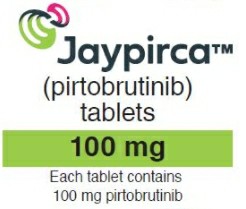
In terms of indications, pitubrutinib is currently mainly used for two major categories of diseases. One is relapsed or refractory mantle cell lymphoma (MCL), an aggressive B-cell lymphoma in which patients often have a poor prognosis after multiple lines of treatment. The application of pitubrutinib fills the gap in MCL treatment and provides an effective solution for patients who have already used BTK inhibitors. The second is chronic lymphocytic leukemia (CLL) and small lymphocytic lymphoma (SLL). Both types of diseases are common B-cell malignancies. Patients often undergo long-term treatment cycles, but may still relapse or become drug-resistant after receiving BTK inhibitors and BCL-2 inhibitors. Pitobrutinib demonstrated good tolerability and efficacy in these cases, providing an important new option for refractory patients.
Globally, the efficacy of pitubrutinib has been recognized by regulatory agencies and has gradually been promoted in clinical practice. Its unique mechanism of action not only expands the application boundaries of BTK inhibitors, but also opens up new treatment paths for patients with hematological tumors. As research continues to deepen, its potential indications may be further expanded to more B cell-related malignant diseases, and it may even play greater value in combination therapy.
Reference materials:https://go.drugbank.com/drugs/DB17472
[ 免责声明 ] 本页面内容来自公开渠道(如FDA官网、Drugs官网、原研药厂官网等),仅供持有医疗专业资质的人员用于医学药学研究参考,不构成任何治疗建议或药品推荐。所涉药品可能未在中国大陆获批上市,不适用于中国境内销售和使用。如需治疗,请咨询正规医疗机构。本站不提供药品销售或代购服务。


