
.jpeg)
The therapeutic effect and clinical application of Midostaurin
Midostaurin is an oral multi-target tyrosine kinase inhibitor that has shown unique value in research on hematological tumors and certain solid tumors. It was first developed for the treatment of patients with acute myeloid leukemia (AML) accompanied by FLT3 mutations. Such mutations often indicate a highly aggressive disease and a high risk of recurrence. Midostaurin interferes with the proliferation and survival of tumor cells by inhibiting the FLT3 receptor tyrosine kinase signaling pathway, thereby delaying disease progression. When used in combination with traditional chemotherapy, foreign studies have shown that it can prolong survival in some patient groups, and has gradually become one of the representative drugs for targeted therapy.
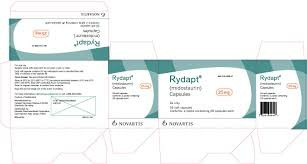
In addition toAML, midostaurin is also used in the treatment of systemic mastocytosis (SM). The pathological mechanism of the disease is related to the KIT gene mutation, and midostaurin can also effectively inhibit the KIT D816V mutation, thereby improving patient symptoms and reducing organ involvement. The approval of this dual indication gives midostaurin strong clinical application potential in the field of hematological disease treatment. It is worth noting that it is not an inhibitor of a single pathway, but can also act on VEGFR, PDGFR and other signaling targets, so it also shows certain exploratory value in the research of some solid tumors.
In clinical application, midostaurin is usually used in combination with standard chemotherapy drugs, and its mechanism of action determines that it may bring additional benefits during both the induction and consolidation stages. But at the same time, its side effects cannot be ignored, such as nausea, vomiting, rash, and hematological adverse reactions, which require doctors to closely monitor and adjust the dose in a timely manner during treatment. Overseas treatment guidelines generally recommend that midostaurin be considered after genetic testing has confirmed the FLT3 mutation to improve targeting accuracy. This concept of "individualized treatment" will also be gradually promoted in clinical practice in China in the future.
Reference materials:https://go.drugbank.com/drugs/DB06595
[ 免责声明 ] 本页面内容来自公开渠道(如FDA官网、Drugs官网、原研药厂官网等),仅供持有医疗专业资质的人员用于医学药学研究参考,不构成任何治疗建议或药品推荐。所涉药品可能未在中国大陆获批上市,不适用于中国境内销售和使用。如需治疗,请咨询正规医疗机构。本站不提供药品销售或代购服务。


