
.jpeg)
How effective is giritinib/segatan in treating leukemia?
Gilitinib is an oral selective FLT3 tyrosine kinase inhibitor specifically designed to treat adult patients with relapsed or refractory acute myeloid leukemia (AML) harboring FLT3 mutations. In AML, FLT3 gene mutations are one of the most common driver mutations, especially internal tandem duplication (ITD) and point mutant tyrosine kinase domain (TKD) mutations. Such mutations are often closely related to leukemia relapse, drug resistance, and poor prognosis. The emergence of giritinib provides a new option for precise targeted therapy for this type of high-risk AML patients.
As aFLT3 inhibitor, giritinib can selectively bind to and inhibit FLT3 receptor tyrosine kinase activity, block abnormal signaling pathways, inhibit leukemia cell proliferation, and induce cell apoptosis and differentiation. This targeting mechanism makes it different from traditional chemotherapy drugs and can achieve curative effect with lower toxic and side effects. Clinical practice shows that giritinib can significantly improve the complete remission rate and overall survival in patients with relapsed or refractory AML, allowing patients to still have effective treatment options after chemotherapy failure.
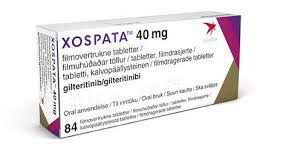
In clinical studies, giritinib has shown significant advantages in AML patients carryingFLT3 mutations. In the study, patients' overall survival was significantly prolonged after receiving giritinib monotherapy, and the rate of achieving complete remission or partial remission was higher than that with traditional chemotherapy. Although the specific values u200bu200bwill vary due to individual differences and study design, from overseas clinical data, giritinib significantly prolongs the median survival time of high-risk relapsed AML patients. Compared with conventional chemotherapy, it shows more obvious benefits in delaying disease progression and improving quality of life.
In addition, the efficacy of giritinib is also reflected in its ability to be used in combination with hematopoietic stem cell transplantation (HSCT) strategy. For some patients with relapse, entering transplantation during giritinib treatment or as a bridge regimen can reduce the risk of relapse and improve long-term survival after transplantation. With the further promotion of the concept of targeted therapy, giritinib has also begun to explore combinations with low-intensity chemotherapy or other targeted drugs in order to further improve the efficacy and delay the occurrence of drug resistance.
The therapeutic advantages of giritinib are not only reflected in prolonged survival, but also include the convenience of oral administration and relatively controllable side effects. Compared with traditional high-intensity chemotherapy, giritinib reduces transfusion dependence and the risk of infection. At the same time, the dose can be dynamically adjusted based on hematological indicators and gene mutation load in efficacy monitoring to achieve personalized and precise treatment.
Taken together, gilitinib as segatan is effective in relapsed or refractory patients.The efficacy in patients with FLT3-mutated AML is clear. It can significantly extend survival and improve disease control rates, providing an important treatment option for such high-risk patients. In the future, with the continuous optimization of combination medication and maintenance treatment regimens, the value of geritinib in the treatment of AML will be further enhanced, providing a solid foundation for clinical treatment.
Reference materials:https://www.xospata.com/
[ 免责声明 ] 本页面内容来自公开渠道(如FDA官网、Drugs官网、原研药厂官网等),仅供持有医疗专业资质的人员用于医学药学研究参考,不构成任何治疗建议或药品推荐。所涉药品可能未在中国大陆获批上市,不适用于中国境内销售和使用。如需治疗,请咨询正规医疗机构。本站不提供药品销售或代购服务。


