
.jpeg)
Real-world data on side effects of apremilast tablets and deuterated colexitinib in the treatment of psoriasis
A new postmarketing analysis classifies adverse events with apremilast and Deucravacitinib in patients with psoriasis. Both oral small molecule inhibitors have been approved by the U.S. Food and Drug Administration (FDA) for the treatment of moderate to severe plaque psoriasis . The PDE4 inhibitorapmilastis also approved for the treatment of psoriatic arthritis, while the TYK2 inhibitordeuterated colexitinib is being evaluated in clinical trials.
Given the widespread clinical use of apremilast and the potential of deuterated colexitinib as a newly approved psoriasis treatment, assessing its safety has become a critical area of research. There is a limited but critical need for comprehensive safety analyzes of both drugs in post-marketing and real-world settings, as these studies may reveal a different safety profile than that observed in clinical trials.
Pharmacovigilance postmarketing studies used information from the U.S. Food and Drug Administration Adverse Event Reporting System (FAERS) public database. A total of 12,732,564 adverse event reports were extracted. In the final analysis, there were 95,524 reports for apremilast and 754 reports for deuterated colexitinib. The highest point in 2020 reporting was reached in late April. Deuterated colexitinib was not introduced until 2022, and the prevalence has gradually increased since then. Reported odds ratio (ROR), proportional reporting ratio (PRR), and Bayesian confidence propagation neural network (BCPNN) analyzes were performed to determine the long-term safety of each therapy.
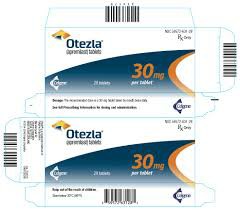
Patients taking apremilast were more likely to experience gastrointestinal adverse effects, such as diarrhea, nausea, and abdominal discomfort. Headaches and recurrences of psoriasis are also common and are listed on the label. According to the disproportionate analysis, psoriasis rebound was the most commonly reported, with 17,193 cases. Sinus headache, allergies, and gallbladder disease were not previously recorded on drug labels but were reported in this analysis.
Patients taking deuterated colexitinib were more likely to experience adverse skin reactions, including acne, folliculitis, pruritus, rash, burning, urticaria, and erythema. Female patients are at higher risk of developing these skin reactions. Oral diseases such as canker sores, pain, blistering, and oral herpes are also common. Specific skin conditions such as dermatitis acneiformis and rosacea were not initially included on the drug's label.
This may suggest that some adverse events emerge during long-term treatment and therefore would not be detected in clinical trials, highlighting the need for clinicians to consider long-term drug effects when treating chronic diseases such as psoriasis.
All of these safety signals remain stable through time analysis, indicating that these risks are predictable, supporting effective long-term risk management. However, as this is a newer drug, more confirmatory data on the risk associations with the use of deuterated colexitinib are needed. Both categories did report some more serious outcomes, including hospitalization, death and other life-threatening conditions, but these were rare and not significant.
The above adverse event patterns may be closely related to each drug's mechanism of action. Clinicians are advised to monitor these adverse events closely as more in-depth studies may determine the relationship between these drugs and adverse effects.
Reference materials:https://www.dermatologytimes.com/view/real-world-data-on-the-adverse-effects-of-apremilast-and-deucravacitinib-for-psoriasis
[ 免责声明 ] 本页面内容来自公开渠道(如FDA官网、Drugs官网、原研药厂官网等),仅供持有医疗专业资质的人员用于医学药学研究参考,不构成任何治疗建议或药品推荐。所涉药品可能未在中国大陆获批上市,不适用于中国境内销售和使用。如需治疗,请咨询正规医疗机构。本站不提供药品销售或代购服务。


