
.jpeg)
Detailed introduction to the main functions and clinical indications of Trelagliptin tablets
1. Overview of Drugs
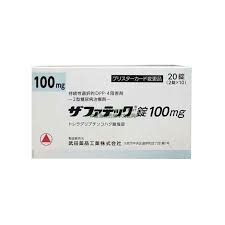
Trelagliptin (Trelagliptin) is an oral dipeptidyl peptidase-4 (DPP-4) inhibitor, used for the treatment of 2 type diabetes. DPP-4is a glucagon-like peptide-1 (GLP -1) and glucose-dependent insulin-releasing polypeptide (GIP), peptide hormones that promote insulin secretion and inhibit glucagon release after meals. By inhibiting DPP-4 activity, trolagliptin can prolong the action time of GLP-1 and GIP, thereby enhancing insulin secretion, lowering blood glucose levels, and improving postprandial glycemic control. Trelagliptin has a long half-life, so it can be administered orally once a week, which improves patient medication compliance to a certain extent.
2. Main functions
1. Improve blood sugar control
Trelagliptin prolongs the activity of glucagon-like peptide by inhibitingDPP-4 and enhances the sensitivity of pancreatic β cells to blood sugar, so that insulin secretion can be reasonably regulated after meals and fasting states. At the same time, it can also inhibit the excessive secretion of glucagon, thereby reducing liver glucose output and achieving the dual effects of improving fasting blood sugar and postprandial blood sugar.
2.Low risk of hypoglycemia
Compared with traditional sulfonylureas, the insulin secretion effect of trolagliptin is glucose-dependent, that is, it only promotes insulin release when blood sugar is elevated, and its effect is weakened when blood sugar is normal or low, so the risk of hypoglycemia is lower. This makes it a safer choice for elderly patients and those sensitive to hypoglycemia.
3.Body weight has little impact
Trelagliptin has little effect on body weight in clinical applications and almost does not cause weight gain or loss. This feature is particularly important for patients with type 2 diabetes, because many oral hypoglycemic drugs (such as sulfonylureas or insulin) may cause weight gain, thereby increasing the metabolic burden.
4.Improve pancreatic isletβ cell function
Long-term use of trolagliptin can improve pancreatic islet β-cell functionβ-cell function and delay the decline of pancreatic islet β-cell function. By improving insulin secretion patterns and insulin sensitivity, it helps maintain blood sugar stability and provides favorable conditions for long-term diabetes management.
3. Clinical indications
1.Monotherapy
For patients with newly diagnosed type 2 diabetes whose blood sugar control is poor and cannot reach the ideal level through lifestyle intervention (diet control, exercise), trolagliptin monotherapy can be used. Once-weekly dosing simplifies treatment and improves patient compliance.
2. Combined treatment with metformin
For patients who are poorly controlled by metformin alone, it can be used in combination with trotagliptin. Metformin lowers blood sugar by improving hepatic glucose metabolism and increasing peripheral tissue insulin sensitivity, while trolagliptin works synergistically by enhancing insulin secretion and inhibiting glucagon. The combination of the two can achieve comprehensive control of blood sugar.
3. Combined with other oral hypoglycemic drugs or insulin
For patients whose blood sugar control is still unsatisfactory, trolagliptin can be used in combination with drugs such as sulfonylureas, thiazolidinediones, or insulin. Due to its low risk of hypoglycemia and small impact on body weight, coadministration can reduce the adverse effects of hypoglycemic events and weight changes.
4.Special patient groups
Elderly patients or patients with mild to moderate impairment of renal function can also use trotagliptin because its pharmacokinetic properties allow relatively flexible dosage adjustment and a low risk of hypoglycemia, which is conducive to long-term blood sugar management and safe medication.
4. Precautions for clinical application
1.Dosage and administration
Trelagliptin is usually taken orally once a week in a single fixed dose that is not affected by meals. For patients with impaired renal function, the dose needs to be adjusted appropriately according to the renal function class.
2.Adverse reaction monitoring
Common adverse reactions of trolagliptin include mild headache, upper respiratory tract infection and gastrointestinal discomfort, which are usually mild to moderate and tolerable. The incidence of hypoglycemia is low, but blood glucose changes still need to be monitored when combined with sulfonylureas or insulin.
3. Long-term efficacy evaluation
It is recommended that patients regularly monitor blood sugar, glycated hemoglobin (HbA1c) and renal function to evaluate drug efficacy and safety. Doctors can adjust the medication regimen or combination of treatments based on blood sugar control and tolerance.
4. Combination of lifestyle intervention
Although trotagliptin can improve blood sugar, lifestyle intervention (healthy diet, regular exercise, weight management) is still the basis of diabetes management. The combination of drugs and lifestyle intervention can better maintain blood sugar stability and reduce the risk of complications.
Trelagliptin (Trelagliptin) tablets inhibit the activity of DPP-4 and prolong The action time of pan>GLP-1 and GIP can enhance insulin secretion, inhibit glucagon release, and achieve the effect of improving blood sugar control. Features include low risk of hypoglycemia, minimal impact on body weight, and convenience of once-weekly dosing. The indications are mainly for adults with type 2 diabetes. It can be treated alone or in combination with metformin, other oral hypoglycemic drugs or insulin. Through rational application of trotagliptin, combined with lifestyle intervention and regular follow-up, it can effectively improve blood sugar control, delay the occurrence of diabetic complications, and improve patients' quality of life.
Reference materials:https://www.drugs.com/
[ 免责声明 ] 本页面内容来自公开渠道(如FDA官网、Drugs官网、原研药厂官网等),仅供持有医疗专业资质的人员用于医学药学研究参考,不构成任何治疗建议或药品推荐。所涉药品可能未在中国大陆获批上市,不适用于中国境内销售和使用。如需治疗,请咨询正规医疗机构。本站不提供药品销售或代购服务。


