
.jpeg)
Detailed instructions for Fenelidone (Keshenda) and patient dosage guidelines
1. Overview of Drugs
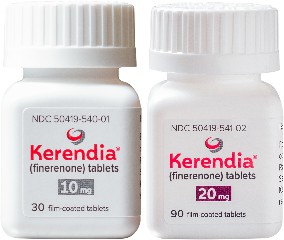
Finerenone (Finerenone) is an oral selective mineralocorticoid receptor antagonist (MRA), mainly used to treat patients with chronic kidney disease (CKD) accompanied by type 2 diabetes. Its mechanism of action is to reduce cardiovascular and renal inflammation and fibrotic responses by selectively inhibiting mineralocorticoid receptors, thereby delaying the decline of renal function, reducing proteinuria levels, and reducing the risk of cardiovascular events. Compared with traditional MRA (such as spironolactone, eplerenone), fenelidone is more selective and has a relatively controllable risk of elevated blood potassium.
Fenelidone is an oral tablet, usually 10 mg or 20 mg, administered once daily. The drug is metabolized by the liver and excreted from the body through urine and feces. The blood concentration reaches its peak in 2-4 hours. When using it, you should follow the doctor's prescription and adjust the dosage according to the patient's renal function, blood potassium level and comorbid diseases.
2. Indications, usage and dosage
1.Indications
Patients with chronic kidney disease and Type 2 diabetes are used to reduce the risk of kidney disease progression and the incidence of cardiovascular events.
Patients who are resistant to ACE inhibitors or ARB can also be used together to enhance the renal protection effect.
2.Usage and dosage
The starting dose is usually 10 mg or 20 mg once daily, adjusted based on the patient's eGFR and serum potassium levels.
Patients with normal or mildly reduced renal function can use 20 mgonce a day; patients with moderately reduced renal function (eGFR 25-60 mL/min/1.73m²) generally use 10 mgonce a day.
The tablets are taken orally whole and can be taken with food to reduce gastrointestinal irritation.
3.Principles of dose adjustment
Serum potassium and renal function indicators need to be measured before medication.
Serum potassium≥5.5 mmol/L should be suspended or reduced; serum potassium ≥6.0 mmol/L requires immediate discontinuation and treatment of hyperkalemia.
For patients with severely impaired liver function, the dosage should be adjusted with caution or under the guidance of a doctor.
3. Main adverse reactions
Fenelidone is generally well tolerated, but some adverse reactions may still occur and require close monitoring by patients and physicians.
1.Hyperkalemia
It is the most common adverse reaction, especially in patients with reduced renal function.
Serum potassium needs to be monitored regularly during medication. If serum potassium is found to be elevated, the dose should be adjusted promptly or medication should be suspended.
2.Hypotension and dehydration
Some patients may experience mild hypotension or insufficient body fluids, and should pay attention to fluid replenishment and adjustment of the dosage of antihypertensive drugs.
3.Changes in renal function
Mild increases in serum creatinine may occur initially, but can usually be controlled with dose adjustments.
Regular monitoring of kidney function is an important measure to ensure safe medication use.
4.Other adverse reactions
Rare cases include dizziness, fatigue, gastrointestinal discomfort and mild elevation of liver function indicators.
If you experience severe symptoms, you should seek medical advice immediately and inform your doctor.
4. Medication precautions
1.Be careful when using combined medications
Avoid not monitoring serum potassium when used concomitantly with other high-potassium drugs (such as ACE inhibitors, ARB, potassium salt preparations).
It can be used in combination with blood sugar and blood pressure medications, but the dose needs to be adjusted according to the patient's overall condition.
2.Monitoring requirements
Serum potassium: Monitor before medication, one week after medication, and every 1-3 months thereafter.
Kidney function: before medication, one week after medication and every subsequent day3Monthly review.
Blood pressure and electrolytes: Especially elderly patients need to pay special attention.
3. Medication for special populations
Elderly patients: Renal function may decline, so dosage needs to be adjusted carefully and monitoring strengthened.
Pregnant women and lactating women: There is no sufficient data, the pros and cons should be weighed, and in principle, use should be avoided.
4.Life and diet management
Avoid high-potassium foods, such as excessive amounts of bananas, oranges, nuts, etc., to reduce the risk of hyperkalemia.
Maintaining a regular schedule and moderate exercise can help control blood pressure and protect the heart and kidneys.
5. Patient Dosage Guidelines and Follow-up Suggestions
1.Strictly follow the doctor's instructions when taking medicine: take it according to the dose and time, and do not increase or decrease on your own.
2.Regular review: Blood potassium, kidney function, blood pressure and other indicators need to be reviewed regularly so that the dose can be adjusted in a timely manner.
3.Side effects management: If you experience symptoms of dizziness, fatigue, nausea or hyperkalemia, please contact your doctor promptly.
4.Record changes in condition: record blood pressure, blood sugar and physical discomfort every day to provide basis for doctors to adjust plans.
Finerenone (Finerenone), as a new selective MRA, has shown significant renal protection and reduction of cardiovascular events in patients with chronic kidney disease and type 2 diabetes. By strictly following medical instructions, regularly monitoring serum potassium and kidney function, and rationally managing side effects, patients can ensure efficacy and safety to the greatest extent. Doctors should develop an individualized medication plan based on the patient's specific conditions to achieve the best treatment effect.
Reference materials:https://www.drugs.com/
[ 免责声明 ] 本页面内容来自公开渠道(如FDA官网、Drugs官网、原研药厂官网等),仅供持有医疗专业资质的人员用于医学药学研究参考,不构成任何治疗建议或药品推荐。所涉药品可能未在中国大陆获批上市,不适用于中国境内销售和使用。如需治疗,请咨询正规医疗机构。本站不提供药品销售或代购服务。


