
.jpeg)
Analysis of the efficacy, side effects and clinical use precautions of Fenelidone (Keshenda)
1. Introduction to drugs
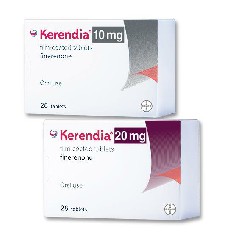
Finerenone (trade name: Kerendia) is a new type of non-steroidal mineralocorticoid Receptor Antagonist. NS-MRA) is mainly used to treat patients with chronic kidney disease (CKD) accompanied by type 2 diabetes. Compared with traditional steroid MRAs (such as spironolactone and eplerenone), fenelinone has higher receptor selectivity and lower endocrine side effects, and can effectively reduce renal fibrosis and inflammation, thereby delaying the deterioration of renal function.
The launch of fenelidone marks that patients with chronic kidney disease, especially high-risk patients with diabetes, have a safer and more effective drug option. Its effect is not limited to the kidneys, but also has a protective effect on the cardiovascular system and can reduce the risk of heart failure and cardiovascular events, which makes it of great clinical value in comprehensive renal and cardiac management.
2. Main functions
1.Renal protection
Finelidone inhibits inflammation and fibrosis in the glomerulus and tubulointerstitium by antagonizing the mineralocorticoid receptor (MR), thereby slowing down the increase in proteinuria and the decline in renal function. Clinical studies have shown that Finerenone can significantly reduce urinary protein/creatinine ratio (UACR), delay the deterioration of renal function, and provide long-term protection for CKD patients.
2.Cardiovascular protection
Studies have shown that fenelinone can reduce the incidence of cardiovascular events, including hospitalization for heart failure, myocardial infarction, and cardiovascular death. Its mechanism of action is mainly by reducing inflammation and fibrosis, while reducing cardiac load and improving cardiac structure and function. For high-risk patients, Finerenone not only protects the kidneys, but also plays an active role in cardiovascular prevention.
3.Applicable people
Chronic kidney disease patients with type 2 diabetes (eGFR ≥25 mL/min/1.73 m², urine protein/creatinine ratio ≥30 mg/g)
Patients who have been treated with ACE inhibitors or ARB but are still at risk of proteinuria or decreased renal function
3. Common side effects
1.Hyperkalemia
The main adverse reaction of fenelinone is an increase in serum potassium. Since inhibiting MR will reduce potassium excretion, some patients' blood potassium may rise to dangerous levels, and blood potassium and renal function need to be monitored regularly.
2.Mild to moderate hypotension
A small number of patients may experience hypotension, dizziness, or fatigue, especially when diuretics or blood pressure control drugs are used concomitantly.
3. Abnormal renal function
Some patients may experience a mild increase in serum creatinine in the early stages of medication, but this is usually tolerated. If the increase is significant, the dose should be adjusted or the drug should be discontinued.
4.Other side effects
Gastrointestinal reactions (nausea, diarrhea) and mild fatigue are relatively rare and can generally be relieved through symptomatic treatment.
Compared with traditional steroidsMRA, fenelinone has significantly fewer endocrine side effects (such as gynecomastia, menstrual abnormalities) and better clinical tolerance.
4. Precautions for clinical use
1.Dosage and adjustment
The recommended starting dose for adult patients is 10–20 mg once daily. The dose needs to be adjusted based on renal function and serum potassium levels.
IfeGFRis lower than60 mL/min/1.73 m² or serum potassium >5.0 mmol/L, dose reduction or temporary discontinuation should be considered.
2.Monitoring indicators
Serum potassium: before medication, 1 weeks after medication, 1 month and regular review
Kidney function: serum creatinine andeGFR, especially in elderly or patients with impaired renal function
Blood pressure: Observe the risk of hypotension and adjust other antihypertensive drugs if necessary
3. Medication contraindications
Serum potassium>5.0 mmol/LContraindicated in patients with severe renal insufficiency (eGFR<25 mL/min/1.73 m²)
Do not use if you are allergic to fenelidone or its ingredients
4.Be careful when using combined medications
Avoid repeated use with otherMRA (spironolactone, eplerenone) to prevent hyperkalemia
Concomitant use with ACEI and ARB requires enhanced serum potassium monitoring
5.Special groups
Elderly people: caution is required if kidney function declines
Pregnant women and lactating women: There is no sufficient data yet, it is recommended to disable it or weigh the risks.
5. Patient management and follow-up recommendations
1.Take the medicine as directed by your doctor: take it orally at regular intervals every day, and do not increase or decrease the dose on your own.
2.Regular review: Serum potassium, serum creatinine and blood pressure should be reviewed regularly
3.Lifestyle management: eat a low-salt and low-potassium diet, maintain a good routine, and avoid increasing the burden on the kidneys
4.Symptom monitoring: If palpitations, fatigue, dizziness or abnormal blood pressure occur, seek medical attention immediately
Finerenone (Finerenone), as a non-steroidal selective mineral cortical receptor antagonist, achieves renal protection and cardiovascular protection by inhibiting inflammation and fibrosis in the kidneys and cardiovascular system. The side effects are relatively mild, but hyperkalemia still requires careful monitoring. Through reasonable dosage, regular monitoring and individualized management, Finerenone provides a safe and effective long-term treatment plan for patients with type 2 diabetes and chronic kidney disease.
Reference materials:https://www.drugs.com/
[ 免责声明 ] 本页面内容来自公开渠道(如FDA官网、Drugs官网、原研药厂官网等),仅供持有医疗专业资质的人员用于医学药学研究参考,不构成任何治疗建议或药品推荐。所涉药品可能未在中国大陆获批上市,不适用于中国境内销售和使用。如需治疗,请咨询正规医疗机构。本站不提供药品销售或代购服务。


