
.jpeg)
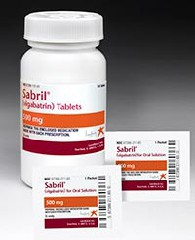
Detailed explanation of the usage, dosage and daily medication guide of Vigabatrin (Ocoda)
1. Introduction to drugs
Vigabatrin (Vigabatrin) is a gamma-aminobutyric acid aminotransferase (GABA-T) inhibitor, which is an anti-epileptic drug Drugs mainly control epileptic seizures by increasing the concentration of γ-aminobutyric acid (GABA) in the central nervous system and inhibiting abnormal neuron discharge. It is mainly used in two types of situations clinically:
Adults: Refractory complex partial seizures (often in combination with other antiepileptic drugs).
Infants and young children: Infantile spasms (West syndrome).
The significant advantage of this drug is that it can significantly improve seizure control in the short term for some patients with epilepsy (especially infantile spasms). However, there is also the risk of specific adverse reactions, especially ocular toxicity related to visual field defects, so the medication must be strictly followed by the doctor.
2. Usage and dosage (partial seizures in adults)
1.Starting dose:
The general starting dose for adults is 1g per day (i.e. 2 times a day, 500mg each time). The dose can be gradually increased according to efficacy and tolerance.
2.Maintenance dose:
The common maintenance dose is 3 g per day (2 times per day, 1.5 g each time), and some patients may need to increase it to the maximum daily 4 g.
3.Principles for dose adjustment:
The dose should be increased at intervals of 1 weeks, and the efficacy and adverse reactions should be evaluated before adjustment.
4.Note when discontinuing medication:
The drug should not be stopped suddenly and the dose should be gradually reduced to avoid a sudden increase in the frequency of epileptic seizures.
3. Usage and Dosage (Infant Spasms)
1.Starting dose:
Based on body weight, the starting dose is 40 mg/kg per day, divided into 2 times.
2.Dose adjustment:
Based on efficacy and tolerability, it can be gradually increased to 80–100 mg/kg daily, with a maximum of no more than 150 mg/kg/ days.
3. Medication cycle:
Usually, the efficacy is evaluated after continuous use for 2–4 weeks. If it is obviously ineffective, the drug needs to be discontinued. If effective, it can be maintained for a period of time according to the condition and followed up closely.
4. Daily Medication Guide
1. Medication schedule
Vigabatrin should be taken twice a day, once in the morning and once in the evening, with an interval of about 12 hours. Taking medication at a fixed time will help maintain stable blood concentration, improve efficacy and reduce the risk of attack.
2.How to take medicine
Tablets: Swallow directly with warm water, with or without food.
Powder: dissolve with appropriate amount of water or milk and take immediately. Avoid leaving it for a long time.
Adequate fluid intake should be ensured during medication.
3.Handling of missed doses
If you miss 1 dose and it is close to the time of the next dose (<4 hours), you can take it as soon as possible; if it is close to the time of the next dose, skip the missed dose and do not double the dose at one time.
4.Be careful when using combined medications
It is often used in combination with other anti-epileptic drugs (such as valproic acid, levetiracetam, etc.), so attention should be paid to drug interactions.
When taking Vigabatrin, sudden discontinuation of other antiepileptic drugs should be avoided to avoid inducing status epilepticus.
5. Adverse reactions and monitoring
1.Common adverse reactions: including drowsiness, fatigue, weight gain, irritability, etc., generally mild to moderate.
2.Important warning: Vigabatrin can cause irreversible peripheral visual field defects, so visual field examinations should be performed regularly before and during medication (adults once every 3–6 months, and infant vision monitoring requires professional evaluation).
3.Other precautions: Some patients may experience depression or mental state changes, and should inform their doctor in time.
6. Patient management and medication recommendations
1.Strictly follow the doctor’s instructions: the dosage and duration of treatment must be determined by a neurologist or epilepsy specialist, and cannot be increased or decreased on your own.
2.Regular monitoring: including seizure frequency, vision status, mental status and weight changes.
3.Inform family members and caregivers: Especially for infants and young children, family members need to master basic epilepsy first aid knowledge and record seizures for doctor evaluation.
4.Long-term follow-up: Even if the condition is stable, regular reexamination is required to evaluate the efficacy and potential side effects.
Vigabatrin (Vigabatrin), as a highly effective anti-epileptic drug, has important clinical value in the treatment of refractory partial seizures and infantile spasms. Correct usage and dosage, fixed medication time and strict follow-up monitoring are the keys to ensuring efficacy and safety. Patients and family members need to maintain close communication with their doctors during medication and provide timely feedback on changes in condition and adverse reactions to obtain the best treatment effect and minimize risks.
Reference materials:https://www.drugs.com/
[ 免责声明 ] 本页面内容来自公开渠道(如FDA官网、Drugs官网、原研药厂官网等),仅供持有医疗专业资质的人员用于医学药学研究参考,不构成任何治疗建议或药品推荐。所涉药品可能未在中国大陆获批上市,不适用于中国境内销售和使用。如需治疗,请咨询正规医疗机构。本站不提供药品销售或代购服务。


