
.jpeg)
Analysis of the main functions and common side effects of ensidipine
Enasidenib is an oral small molecule IDH2 inhibitor. Its main function is to reverse the cell differentiation block caused by IDH2 mutation, thereby restoring the normal development of hematopoietic cells. By inhibiting the abnormal enzyme activity of mutant IDH2, it significantly reduces the level of the pathogenic metabolite 2-HG, relieves the inhibition of demethylase, and promotes the differentiation of leukemia cells into mature granulocytes. This differentiated therapy is different from the direct killing mechanism of traditional chemotherapy. It is gentler and more targeted. Therefore, some patients can achieve lasting remission while avoiding the toxic and side effects of high-dose chemotherapy.
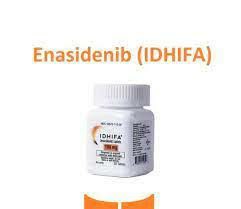
When treating relapsed or refractory acute myeloid leukemia (AML), ensidipine can effectively improve hematological indicators, reduce dependence on blood transfusions, and achieve molecular remission in some cases. Due to its special mechanism of action, the efficacy of ensidipine usually gradually appears after weeks to months of medication. Therefore, patients need to continuously monitor blood routine, bone marrow morphology and gene mutation load in the early treatment stage to determine the efficacy trend.
However, like most targeted drugs, while ensidipine is effective, it may also cause adverse reactions. The most concerning thing is "differentiation syndrome", whose symptoms include fever, dyspnea, hypoxemia, weight gain, and pleural effusion. This response is caused by the simultaneous differentiation of large numbers of leukemia cells and the release of inflammatory factors and can be alleviated by glucocorticoid treatment and symptomatic support. In addition, common adverse reactions include jaundice, elevated transaminases, hyperuricemia, nausea, decreased appetite, and fatigue. Some patients will experience an increase in serum bilirubin during medication. This is due to the pharmacological effect of ensidipine inhibiting the bilirubin transporter. It does not necessarily indicate liver function damage, but liver function indicators still need to be tested regularly.
Reference materials:https://www.idhifa.com/
[ 免责声明 ] 本页面内容来自公开渠道(如FDA官网、Drugs官网、原研药厂官网等),仅供持有医疗专业资质的人员用于医学药学研究参考,不构成任何治疗建议或药品推荐。所涉药品可能未在中国大陆获批上市,不适用于中国境内销售和使用。如需治疗,请咨询正规医疗机构。本站不提供药品销售或代购服务。


