
.jpeg)
What is the difference between sunitinib and imatinib
Sunitinib and imatinib (Imatinib) are both targeted drugs commonly used to treat solid tumors, but they have many significant differences in their mechanisms of action, scope of indications, and timing of clinical use. Imatinib is an earlier-developed generation of tyrosine kinase inhibitors that mainly targets the BCR-ABL fusion protein, KIT and PDGFRA signaling pathways. Therefore, it was first used for the treatment of chronic myelogenous leukemia and gastrointestinal stromal tumors (GIST). Its efficacy is accurate and has become the basis for treatment in many tumor fields. Sunitinib is a multi-target tyrosine kinase inhibitor with a wider coverage. It can not only inhibit KIT and PDGFR, but also act on VEGFR and other targets that promote angiogenesis. Therefore, it has shown broad adaptability in diseases such as renal cell carcinoma (RCC), GIST drug resistance, and pancreatic neuroendocrine tumors.
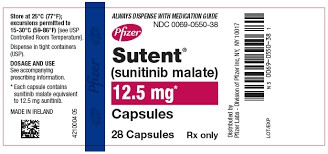
In terms of treatment strategies, the two are mostly choices at different stages. Taking GIST as an example, imatinib is usually used as first-line treatment, especially for newly diagnosed patients. Once a patient develops drug resistance or disease progression, sunitinib becomes the main drug for second-line treatment. In metastatic kidney cancer, imatinib is largely ineffective, while sunitinib is one of the standard treatment options for the disease. Therefore, although both are targeted drugs, they do not overlap in indications and treatment pathways, and there are also differences in the user populations.
From the perspective of the scope of action, sunitinib's multi-target properties enable it to inhibit tumor growth while also having dual effects of anti-angiogenesis. This mechanism provides higher therapeutic potential in the control of solid tumors. Relatively speaking, imatinib is more specific and has relatively low side effects, making it suitable for early use and long-term maintenance treatment. However, sunitinib is more powerful in disease control and is suitable for patients with advanced disease or poor response to first-line treatment.
In terms of adverse reactions, the two are also different. Imatinib is well tolerated, and common discomforts are mostly mild rash or edema. Sunitinib, on the other hand, has more targets and may be accompanied by hypertension, hand-foot syndrome, or changes in thyroid function. Therefore, it needs to be closely monitored during use and the dose must be adjusted regularly.
Reference materials:https://www.sutent.com/
[ 免责声明 ] 本页面内容来自公开渠道(如FDA官网、Drugs官网、原研药厂官网等),仅供持有医疗专业资质的人员用于医学药学研究参考,不构成任何治疗建议或药品推荐。所涉药品可能未在中国大陆获批上市,不适用于中国境内销售和使用。如需治疗,请咨询正规医疗机构。本站不提供药品销售或代购服务。


