
.jpeg)
Is the specific drug for increasing platelets Roplastin/Romigrastim?
For refractory diseases such as chronic immune thrombocytopenia (ITP), traditional treatments such as glucocorticoids and immunoglobulins often fail to maintain platelet levels for a long time. Therefore, patients and doctors are looking for an effective alternative called "platelet-raising specific drugs". Romiplostim/Romiplostim stands out against this background and is regarded by many doctors as an important breakthrough in platelet production treatment.
Roprostim, as a thrombopoietin receptor agonist, has a different mechanism of action than traditional immunosuppressive or hemostatic drugs. By simulating the effect of thrombopoietin, it directly stimulates the differentiation and maturation of megakaryocytes in the bone marrow, thereby increasing the natural production rate of platelets. Compared with the short-acting platelet-raising method, loplastin is more like a treatment method that regulates the hematopoietic process from the source, so it is known as the "root platelet-promoting drug".
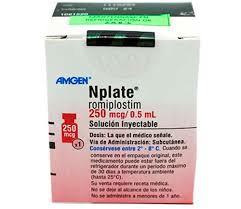
Roprostimhas a particularly outstanding performance inITP treatment, especially for patients who are ineffective in steroid or splenectomy treatment. In many countries, it is listed as one of the second-line or third-line standard drugs for the treatment of ITP patients. Data show that after using loprostim, some patients' platelets are maintained at safe levels, bleeding events are reduced, and even maintenance is achieved after drug withdrawal.
However, whether Roprostim can be called a "specific drug" still needs to be fully understood from a clinical practical perspective. First of all, it is not suitable for all patients with low platelets. If the thrombocytopenia is caused by other reasons, such as viral infection, bone marrow suppression caused by chemotherapy, acute leukemia, etc., then loprostim may not be effective. Secondly, the efficacy of the drug varies among individuals. Some patients may significantly increase platelets in a short period of time, while others have a slow or insignificant response.
In addition, the use of roplastin requires professional monitoring to avoid the risk of thrombosis caused by excessive platelet elevation, especially in elderly patients with underlying cardiovascular diseases. Clinically, it is generally recommended to use it on a weekly basis, adjust the dose according to platelet count, and assess the patient's tolerance to treatment.
Reference materials:https://en.wikipedia.org/wiki/Romiplostim
[ 免责声明 ] 本页面内容来自公开渠道(如FDA官网、Drugs官网、原研药厂官网等),仅供持有医疗专业资质的人员用于医学药学研究参考,不构成任何治疗建议或药品推荐。所涉药品可能未在中国大陆获批上市,不适用于中国境内销售和使用。如需治疗,请咨询正规医疗机构。本站不提供药品销售或代购服务。


