
.jpeg)
Interpretation of the adjustment plan when Tepotinib is not effective in treating lung cancer
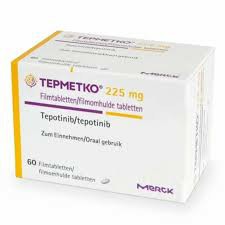
Tepotinib (Tepotinib) is an oral MET inhibitor, mainly used to treat MET exon 14 skipping mutations (METex14 Skipping) patients with advanced non-small cell lung cancer (NSCLC). The drug blocks the growth and migration of tumor cells by inhibiting the MET signaling pathway. However, in clinical practice, some patients may develop poor efficacy or drug resistance after using tepotinib for a period of time. At this time, it is necessary to promptly evaluate the condition and adopt reasonable adjustment of treatment strategies.
For cases where there is no obvious response in the early stage or the disease progresses slowly, doctors will evaluate the patient's genotype, medication compliance and drug metabolism to confirm whether it is "pseudo-progression" or delayed drug effect. Some patients may take longer to show radiographic improvement. If there are no obvious side effects and the condition is generally stable, the doctor may recommend continuing to observe for 2 to 4 weeks before evaluating the efficacy to avoid premature replacement of drugs.
For patients whose response is clearly poor or who have progressed, it is recommended to conduct molecular re-testing of the tumor as soon as possible, especially using NGS (next generation sequencing) technology to analyze whether there are new drug-resistant mutations, such as pan>METamplification, KRASmutation, EGFR bypass activation, etc. These resistance mechanisms can help guide the next treatment strategy, such as considering the combination of other targeted drugs (such as EGFR or MEK inhibitors), or switching to immunotherapy or chemotherapy.
If the disease progression manifests as a small number of new local lesions (oligoprogression), while other parts are still well controlled by tepotinib, local treatment may be considered+The "local control combined strategy" of continuing to take tepotinib, such as radiotherapy or radiofrequency ablation of new lesions, while maintaining systemic targeted therapy to extend progression-free survival.
Finally, for patients who are ineffective with tepotinib and have no effective alternative targeted drugs, they may consider switching to standard chemotherapy or immunotherapy regimens, such as platinum-based double-drug chemotherapy, PD-1/PD-L1 inhibitors, or participating in clinical trials to explore new targets or new mechanism drugs. In short, when the efficacy of tepotinib is not good, individualized and dynamic adjustment strategies should be adopted promptly, and the most appropriate next treatment plan should be formulated based on molecular testing results and clinical manifestations.
Reference materials:https://www.drugs.com/
[ 免责声明 ] 本页面内容来自公开渠道(如FDA官网、Drugs官网、原研药厂官网等),仅供持有医疗专业资质的人员用于医学药学研究参考,不构成任何治疗建议或药品推荐。所涉药品可能未在中国大陆获批上市,不适用于中国境内销售和使用。如需治疗,请咨询正规医疗机构。本站不提供药品销售或代购服务。


