
.jpeg)
How long does it take for osimertinib side effects to appear?
Osimertinib is a third-generation EGFR tyrosine kinase inhibitor, mainly used to treat patients with non-small cell lung cancer (NSCLC) carrying EGFR sensitive mutations or T790M resistant mutations. Due to its highly selective molecular mechanism, side effects have improved compared with the previous two generations of EGFR-TKI, but side effects are still a part of the patient's treatment process that cannot be ignored. Understanding the onset time of side effects is of great significance for patient expectation management, side effect identification and medication compliance.
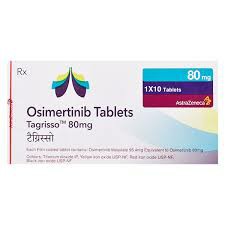
Generally, some side effects of osimertinib may begin within one to two weeks after taking the drug, of which gastrointestinal reactions and skin problems are the most common. For example, mild to moderate diarrhea or loss of appetite often begins to appear in the first or second week, and some patients gradually adapt or alleviate it after the third week. Rashes and dry skin usually appear around the first 2 to 4 weeks, and are mostly controllable reactions that can usually be relieved through local treatment or medication adjustment.
In addition, some less common side effects that require close monitoring, such as prolongation of the QT interval or interstitial lung disease (ILD)-like reactions, may appear in the early stages of medication or gradually appear after several months. Therefore, regular ECG and pulmonary function assessment during osimertinib treatment are critical for early identification of potentially serious side effects. Especially in patients with pre-existing cardiopulmonary diseases, the onset time may be earlier and the symptoms may be more obvious.
Patients should note that the onset time of side effects will vary depending on individual differences, basic physical condition, combined medication and other factors. For example, older patients or those with other underlying diseases have reduced metabolic capabilities and drug tolerance, and may exhibit adverse reactions earlier or more strongly. Taking it with antibiotics, antiviral drugs or other anti-cancer drugs may also aggravate the occurrence of certain side effects.
Reference materials:https://go.drugbank.com/drugs/DB09330
[ 免责声明 ] 本页面内容来自公开渠道(如FDA官网、Drugs官网、原研药厂官网等),仅供持有医疗专业资质的人员用于医学药学研究参考,不构成任何治疗建议或药品推荐。所涉药品可能未在中国大陆获批上市,不适用于中国境内销售和使用。如需治疗,请咨询正规医疗机构。本站不提供药品销售或代购服务。


