
.jpeg)
Comparison of the efficacy and safety of axitinib/axitinib and sunitinib
Axitinib and sunitinib are oral multi-target tyrosine kinase inhibitors (TKIs) that play an important role in the targeted treatment of various solid tumors such as renal cell carcinoma (RCC). Both block tumor neovascularization by inhibiting the vascular endothelial growth factor receptor (VEGFR) signaling pathway, thereby inhibiting tumor growth and metastasis. However, despite similarities in their mechanisms of action, there are still significant differences in their target spectrum, clinical efficacy performance and safety characteristics, which are also the focus that doctors often pay attention to in clinical decision-making.
From the perspective of target coverage, axitinib has a highly selective inhibitory effect onVEGFR-1, VEGFR-2 and VEGFR-3, and is more precise in inhibiting tumors that are highly dependent on angiogenesis. Sunitinib has a wider range of targets. It not only inhibits VEGFR, but also inhibits platelet-derived growth factor receptor (PDGFR), KIT, FLT3 and other tyrosine kinases. Therefore, its anti-tumor effect has the dual effects of anti-angiogenesis and direct inhibition of tumor cell growth. This difference makes axitinib superior in terms of target specificity and partial tolerability, while sunitinib may have broader adaptability in some tumor types driven by complex signaling pathways.
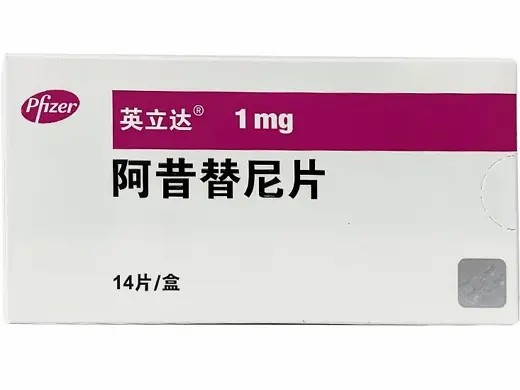
In terms of efficacy, multiple international multi-center studies have shown that both can prolong progression-free survival (PFS) in first-line or second-line treatment of advanced renal cell carcinoma, and bring longer overall survival (OS) in some patients. Some real-world data suggest that axitinib can still maintain a certain efficacy in patients who have previously received other TKI treatments. Especially after sunitinib resistance, switching to axitinib can regain control of the disease in the short term. As an earlier approved VEGFR TKI, sunitinib's first-line treatment status was stable for a long time. However, with the clinical application of axitinib combined with immune checkpoint inhibitors, its status in treatment strategies is gradually changing.
In terms of safety, the difference in tolerance between the two is obvious. Due to its relatively concentrated target, axitinib has common adverse reactions including hypertension, fatigue, diarrhea, hand-foot syndrome and hypothyroidism. However, the overall controllability of axitinib is better, and the incidence and severity of adverse reactions are usually lower than that of sunitinib. Although sunitinib's broad-spectrum target effect enhances its anti-tumor potential, it also brings more systemic adverse reactions, such as stomatitis, skin discoloration, cardiotoxicity, hematological abnormalities, and obvious gastrointestinal reactions, which may affect quality of life and treatment compliance during long-term medication.
In terms of dosing mode, axitinib is mostly administered continuously to facilitate daily management of patients, and the dose can be flexibly adjusted according to tolerance. Sunitinib usually adopts a cyclical regimen of "4 weeks of medication + 2 weeks of drug withdrawal". This intermittent medication method can reduce the toxic side effects in some patients, but it may also bring about the risk of tumor growth rebound during the drug withdrawal period. Different dosing modes will also affect doctors' selection tendency among specific patient groups.
From the perspective of drug combination trends, the combination of axitinib and PD-1/PD-L1 immune checkpoint inhibitors has shown higher response rates and the advantage of prolonged survival in multiple studies in recent years, and has been recommended in some guidelines as a new option for first-line treatment of advanced renal cell carcinoma. Although sunitinib still has value in monotherapy, it has been gradually replaced in immune combination strategies and is more used in patients who are intolerant or unsuitable for immunotherapy.
Reference materials:https://en.wikipedia.org/wiki/Axitinib
[ 免责声明 ] 本页面内容来自公开渠道(如FDA官网、Drugs官网、原研药厂官网等),仅供持有医疗专业资质的人员用于医学药学研究参考,不构成任何治疗建议或药品推荐。所涉药品可能未在中国大陆获批上市,不适用于中国境内销售和使用。如需治疗,请咨询正规医疗机构。本站不提供药品销售或代购服务。


