
.jpeg)
What are the adverse reactions of Cosibelimab?
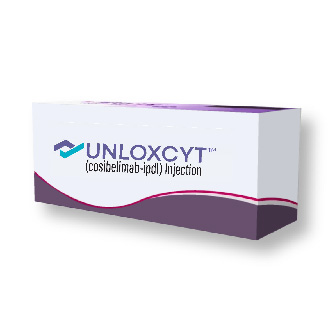
Cosibelimab (Cosibelimab) is an immune checkpoint inhibitor targeting programmed death receptor -1 (PD-1). It is mainly used for immunotherapy of a variety of tumors, especially in non-small cell lung cancer, head and neck squamous cell carcinoma and other solid tumors. It has shown good anti-tumor activity. With the widespread application of immunotherapy, patients have become increasingly concerned about the possible adverse reactions and management of cosibelimab. This article will analyze in detail the common and rare adverse reactions of cosibelimab, and discuss its safety characteristics and management measures based on clinical trial data.
1. Immune-related adverse reactions (irAEs)
As a PD-1 inhibitor, the most typical adverse reactions of cosibelimab are immune-related adverse events (immune-related adverse events, irAEs). The mechanism of its occurrence is due to excessive activation of the immune system and attacks normal tissues. Common immune-related adverse reactions include:
1.Skin reactions: such as rash, itching, urticaria, etc., have a high incidence, usually mild to moderate, and severe cases may cause skin exfoliation. Prompt use of antihistamines and topical corticosteroids may relieve symptoms.
2.Pulmonary toxicity: Pneumonia is one of the most serious irAEs, manifesting as cough, dyspnea, fever and other symptoms, and pulmonary infiltrates can be seen on imaging. Severe pneumonia requires discontinuation of the drug and systemic glucocorticoid treatment.
3. Abnormal liver function: manifested as elevated levels of ALT and AST, and some patients may be asymptomatic. Monitor liver function early and adjust treatment when transaminases are elevated.
4.Intestinal reactions: including diarrhea and colitis, which can be controlled by anti-diarrhoeal drugs in mild cases, and discontinuation of drugs and the use of hormones in severe cases.
5.Endocrine system abnormalities: such as hypothyroidism or hyperthyroidism, adrenal insufficiency, hypophysitis, etc. The symptoms are hidden and need to be managed through hormone level testing and hormone replacement therapy.
The time of occurrence of immune-related adverse reactions is uncertain and may appear weeks to months after treatment, so long-term follow-up and monitoring are required.
2. Common non-immune related adverse reactions
In addition to immune-related reactions, cosibelimab may also cause some common non-immune-related adverse reactions, which are usually mild to moderate and well tolerated by patients:
1. Fatigue: It is one of the most common adverse reactions and may be related to immune activation, the tumor itself or other treatments. It is recommended to take appropriate rest and adjust the pace of life.
2.Nausea and loss of appetite: Some patients experience nausea and loss of appetite during treatment, which can be relieved through dietary adjustments and symptomatic treatment.
3.Fever: Treatment-related fever is occasionally seen, usually mild and short-lived, and does not require special intervention.
4. Muscle pain and joint pain: A few patients experience muscle or joint discomfort, which is usually mild and can be relieved by analgesics.
These symptoms generally do not affect the continuation of treatment, but communication with your doctor should be maintained.
3. Serious adverse reactions and their management
Although well tolerated by most patients, a small number of patients may experience serious adverse reactions, including:
1.Severe immune-related pneumonia: It may be life-threatening and requires emergency drug withdrawal and high-dose glucocorticoid treatment. Severe cases require supportive treatment.
2.Severe skin reactions: Such as toxic epidermal necrolysis (TEN), Stevens-Johnson syndrome (SJS), etc., which are extremely rare but serious and require immediate discontinuation of medication and hospitalization.
3.Nervous system toxicity: rare but including peripheral neuritis, myasthenia, encephalitis, etc., which require early identification and treatment.
4.Immune-related myocarditis: Although extremely rare, the fatality rate is high. Timely cardiac evaluation is required when palpitations and chest pain occur.
For serious adverse reactions, patients need to contact their doctor immediately and receive professional treatment, which may require discontinuation of medication or change of treatment plan.
4. Prevention and monitoring of adverse reactions
In order to reduce the occurrence and harm of adverse reactions of cosibelimab, clinical practice should:
1.Collect detailed medical history, check basic immune diseases or infection history, and avoid use by patients with potential risks.
2.Regularly monitor blood routine, liver and kidney function, thyroid function and other indicators to detect early abnormalities in a timely manner.
3. Patient education, informing patients of possible symptoms and emergency treatment measures, and improving patients’ awareness of self-monitoring.
4.Multidisciplinary collaboration, including oncology, immunology, endocrinology, etc., provides comprehensive management of complex adverse reactions.
In short, cosibelimab, as a new generation of immune checkpoint inhibitor, has significant anti-tumor activity. At the same time, the adverse reaction spectrum is similar to otherPD-1 inhibitors, mainly immune-related adverse events. Through scientific and reasonable monitoring and management, most adverse reactions can be effectively controlled, ensuring safe medication use and maximizing treatment benefits for patients.
Reference materials:https://www.drugs.com/
[ 免责声明 ] 本页面内容来自公开渠道(如FDA官网、Drugs官网、原研药厂官网等),仅供持有医疗专业资质的人员用于医学药学研究参考,不构成任何治疗建议或药品推荐。所涉药品可能未在中国大陆获批上市,不适用于中国境内销售和使用。如需治疗,请咨询正规医疗机构。本站不提供药品销售或代购服务。


