
.jpeg)
Clinical recommendations on risks and relapse prevention after discontinuation of Finerenone
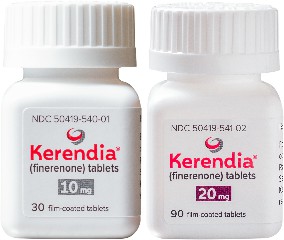
Finerenone (Finerenone) is a non-steroidal selective mineralocorticoid receptor antagonist (non-steroidal mineralocorticoid receptor antagonist, MRA), mainly used to treat patients with type 2 diabetes associated with chronic kidney disease (CKD). Compared with traditional MRA (such as spironolactone, eplerenone), fenelidone has greater selectivity and lower risk of hyperkalemia, and has shown significant efficacy in slowing the deterioration of renal function and reducing cardiovascular risk. Although the drug has shown good safety and efficacy in long-term management, in clinical practice, patients may stop taking the drug or interrupt treatment on their own for a variety of reasons (such as side effects, financial burden, misunderstanding of efficacy, etc.). This article will provide specific clinical suggestions around the risks after fenelidone discontinuation, the mechanism of relapse, and how to effectively prevent and manage relapse.
1. Potential risks after discontinuation of fenelidone
Finelidone is a chronic treatment drug, and its discontinuation may bring many risks. First, in the kidneys, fenelidone can effectively reduce urine protein levels and slow down the decline in glomerular filtration rate (eGFR). If the drug is stopped suddenly, patients may experience a rebound in proteinuria and even accelerate the deterioration of renal function. Two important clinical studies, FIDELIO-DKD and FIGARO-DKD, both confirmed that continued use of fenelidone can significantly delay the occurrence of renal failure events.
Secondly, fenelidone has a protective effect on the cardiovascular system and can effectively reduce the hospitalization rate for heart failure and the risk of cardiovascular death. Its anti-inflammatory and anti-fibrotic mechanisms have sustained protective effects on the myocardium and blood vessel walls. If the drug is discontinued at will, this protection will gradually disappear over weeks to months, and the risk of worsening heart failure and acute events will increase, especially in patients with hypertension, coronary heart disease, or a history of previous heart failure.
2. Common reasons and evaluation that may lead to drug discontinuation
Clinically, the discontinuation of fenelidone is often not due to poor drug efficacy, but due to the patient's lack of knowledge, side effects, or external factors (such as financial difficulties). Some patients do not see significant improvement in the short term, so they mistakenly judge that the drug is ineffective; some patients develop mild hyperkalemia during the medication and stop taking the drug on their own without professional adjustment.
Therefore, when doctors prescribe fenelidone, they should fully explain to patients that the role of the drug is long-term relief and prevention of progression, rather than an immediate "cure" of the condition. At the same time, a regular follow-up mechanism should be established, especially in the first few months after starting treatment, to closely monitor serum potassium, electrolytes and renal function, so as to identify side effects early and adjust the dosage, rather than directly discontinuing the medication.
3. Suggestions for prevention and control of recurrence and disease progression
In order to effectively prevent the disease rebound caused by the discontinuation of fenelidone, the following clinical measures deserve attention:
1.Gradual monitoring and reduction: If discontinuation is considered due to adverse reactions, the dose should be gradually reduced under the guidance of a doctor to avoid sudden interruption, especially in patients with heart failure or severe proteinuria. In addition, concomitant medications (such as diuretics, RAAS inhibitors) can be adjusted if necessary to reduce side effects.
2.Patient education and compliance management: Clinicians should explain the mechanism and long-term benefits of fenelidone to patients to prevent patients from discontinuing the drug on their own due to short-term ineffectiveness or minor discomfort. Improving patient compliance through electronic medical record reminders, follow-up visits or medication logs is a key means to avoid the risk of medication discontinuation.
3.Strengthen monitoring of high-risk groups: For patients with a history of moderate to severe CKD, heart failure or high potassium, more frequent laboratory monitoring should be arranged during medication (such as measuring serum potassium and creatinine every 2 to 4 weeks) to detect potential problems early. If the serum potassium is elevated but still within a safe range, the dose can be reduced or the medication can be stopped for a short period of time as appropriate, and then recovery can be evaluated.
4. Combined with lifestyle intervention: During fenelidone treatment, combined with reasonable low-sodium diet, blood sugar control, blood pressure control, protein intake and other measures, the treatment effect will be greatly improved. Even if the drug needs to be stopped for a period of time due to special circumstances, the disease fluctuation can be controlled in a low range.
4. Long-term treatment strategies and personalized medication suggestions
As a chronic disease management drug, the greatest benefit of fenelidone comes from its “long-term and stable” use. Therefore, doctors should set individualized treatment plans based on the patient's specific conditions when prescribing. For example, for patients whose renal function is close to the lower limit of eGFR, the starting dose should be more conservative; for patients who are not at risk of hyperkalemia but have higher cardiovascular risk, fenelidone can be used first to obtain dual cardiorenal protection.
In addition, fenelidone has a synergistic effect with RAAS blockers (such as ACEI/ARB), and the combined effect is better than that of a single drug. Therefore, the rational combination of antihypertensive, glucose control, lipid-lowering and other drugs is the basis for successful long-term management. In high-risk patients, combination with SGLT2 inhibitors may also be considered to further optimize cardiorenal protection.
For patients who really interrupt their medication due to financial reasons, they can maintain treatment through the Patient Assistance Program (PAP) or switch to alternative drugs (such as eplerenone), and resume fenelidone when conditions permit.
Finelidone as a new typeMRAThis class of drugs has significant cardio-renal protective effects in patients with chronic kidney disease and diabetes. There are potential risks such as proteinuria rebound, renal function deterioration, and cardiovascular risk increase after discontinuation of the drug. Therefore, clinicians should attach great importance to patient compliance and side effect management during medication, and provide support and adjust the plan when necessary to ensure the continuity and effectiveness of treatment. In the future, with the continuous accumulation of clinical experience, fenelidone is expected to play a role in more indications, bringing a more stable and safe long-term strategy to the management of chronic diseases.
Reference materials:https://www.drugs.com/
[ 免责声明 ] 本页面内容来自公开渠道(如FDA官网、Drugs官网、原研药厂官网等),仅供持有医疗专业资质的人员用于医学药学研究参考,不构成任何治疗建议或药品推荐。所涉药品可能未在中国大陆获批上市,不适用于中国境内销售和使用。如需治疗,请咨询正规医疗机构。本站不提供药品销售或代购服务。


