
.jpeg)
Comparison of the efficacy of Regorafenib combined with chemotherapy and monotherapy
Regorafenib is a multi-target oral tyrosine kinase inhibitor that is widely used to treat a variety of solid tumors, such as metastatic colorectal cancer (mCRC), gastrointestinal stromal tumor (GIST) and advanced hepatocellular carcinoma (HCC). Its mechanism involves the inhibition of multiple signaling pathways, including VEGFR, PDGFR, FGFR, RAF, etc., thereby exerting anti-angiogenesis and anti-tumor growth effects. Although regorafenib is mainly used as a monotherapy, in recent years, more and more studies have focused on its potential to be used in combination with chemotherapy drugs, especially in terms of improving efficacy, which has triggered widespread discussion. This article will comprehensively compare and analyze the differences in efficacy between regorafenib combined with chemotherapy and monotherapy.
1. The efficacy of regorafenib monotherapy
Regofenib is approved and widely used as monotherapy in multiple tumor types. In the RESORCE study, regorafenib was used in patients with advanced liver cancer after failure of sorafenib treatment. The results showed that it significantly prolonged overall survival (OS), with a median OSreached 10.6 months, a statistically significant improvement compared to 7.8 months in the placebo group. In metastatic colorectal cancer, both the CORRECT and CONCUR studies have shown that regorafenib can prolong progression-free survival (PFS) and overall survival. Although it is a late-line drug, it still brings clinical benefits to patients.
However, although the efficacy of regorafenib monotherapy is clear, the objective response rate (ORR) is generally low, and most patients have stable disease (SD). Therefore, its anti-tumor effect is more reflected in the disease control rate (DCR) and delayed progression. Coupled with common side effects such as hand-foot syndrome, hypertension, fatigue and stomatitis, some patients have limited tolerance, which provides motivation for combining regorafenib with other treatment methods.
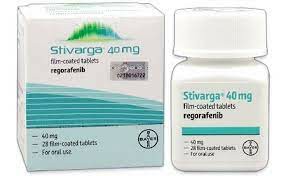
2. Research progress and improvement of efficacy of regorafenib combined with chemotherapy
In recent years, in order to improve anti-tumor activity and response rate, multiple studies have explored the possibility of combining regorafenib with chemotherapy drugs. In the field of metastatic colorectal cancer, some preliminary clinical trials have tried to combine regorafenib with FOLFIRI (fluorouracil + irinotecan), and some improvement in efficacy has been observed. For example, in a Phase II study, the ORR of regorafenib combined with FOLFIRI in patients was ORR
In the treatment of gastrointestinal stromal tumors, there are also studies trying to combine regorafenib with imatinib or other chemotherapy drugs, especially after resistance to first-line or second-line treatment, hoping to delay the occurrence of resistance through a combination strategy. The tumor shrinkage of some patients under combined treatment exceeded expectations, providing more clinical treatment space.
In the field of advanced liver cancer, although chemotherapy is not the first-line recommended option, some individualized treatments have also tried to combine regorafenib with intra-arterial chemotherapy (such asTACE). Early data shows that the combined treatment group is better than the single-agent group in controlling local lesions, and the median PFS was observed in some patients, which has potential research value.
3. Analysis of differences in efficacy and precautions
Overall, the efficacy of regorafenib combined with chemotherapy has indeed improved in certain patient groups, especially in response rates and disease control rates. However, the improvement in efficacy is also accompanied by an increase in toxic side effects. The study found that the incidence of adverse events in the combination group increased significantly, such as hypertension, proteinuria, gastrointestinal toxicity, bone marrow suppression, etc., which require close monitoring and supportive treatment. Therefore, the patient's physical condition, organ function, and past drug tolerance need to be key factors in making decisions about combination regimens.
In addition, there are currently relatively insufficient large-scale phase III clinical studies on regorafenib combined with chemotherapy. Most of the existing results come from phase II exploratory studies or real-world data. The sample size is limited and the research designs are different, resulting in limitations in data interpretation. Therefore, the use of combination regimens in actual clinical practice requires a balance between efficacy and risks, and individualized regimens must be formulated under the guidance of experienced doctors.
4. Future development trends and clinical significance
As cancer treatment develops towards individualization and precision, the treatment modes of regorafenib are gradually diversified. Future development directions will include strategies such as combination chemotherapy, combination immunotherapy (such as combination with PD-1/PD-L1 inhibitors), and combination with other targeted drugs. In addition, selecting more precise biomarkers to guide combination programs will help improve efficacy and reduce the risk of ineffective medication.
In short, regorafenib combined with chemotherapy has indeed improved the efficacy in some patients, and is especially suitable for advanced patients who are at risk of progression and need rapid remission, but its toxic and side effects also need to be paid close attention to. More clinical data are needed to further verify the feasibility of its widespread application. In the future, in the context of accurate classification and personalized treatment, regorafenib combination regimen is expected to play a more critical role in the treatment of various solid tumors.
Reference materials:https://www.drugs.com/
[ 免责声明 ] 本页面内容来自公开渠道(如FDA官网、Drugs官网、原研药厂官网等),仅供持有医疗专业资质的人员用于医学药学研究参考,不构成任何治疗建议或药品推荐。所涉药品可能未在中国大陆获批上市,不适用于中国境内销售和使用。如需治疗,请咨询正规医疗机构。本站不提供药品销售或代购服务。


