
.jpeg)
Is Selinexor suitable for the treatment of other solid tumors?
Selinexor is a selective nuclear export inhibitor (SINE). It mainly inhibits the nuclear export protein XPO1 and blocks the transfer of various tumor suppressor proteins from the nucleus to the cytoplasm, thereby promoting tumor cell apoptosis. Selinisol is currently approved for the treatment of hematologic malignancies such as multiple myeloma and diffuse large Bcell lymphoma. However, as research continues to deepen, the potential application of selinesol in solid tumors has gradually attracted attention.
Currently, selinesol is in clinical trials in a variety of solid tumors, including pancreatic cancer, lung cancer, ovarian cancer, gastric cancer, colorectal cancer, breast cancer, brain glioma, etc. Studies have shown that some patients with solid tumors who carry specific gene mutations or have elevated expression of XPO1 may have a certain sensitivity to selinexol. Especially in some cancer types that are highly resistant to drug resistance or lack targeted therapies, selinesol has shown potential anti-tumor activity.
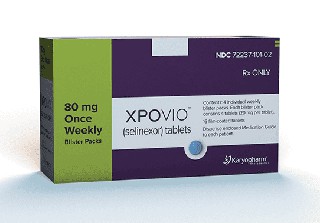
For example, in studies of pancreatic cancer and brain glioblastoma, selinesol combined with chemotherapy or radiotherapy has shown certain synergistic effects; in patients with recurrent ovarian cancer, single agents or combination regimens are also being evaluated. These early data pave the way for expansion into additional solid tumor treatments. However, there is still a lack of evidence support from large-scale phase III clinical trials, so it has not yet been widely approved in the field of solid tumors.
To sum up, selinesol has not yet been officially approved for the treatment of solid tumors, but its research in a variety of solid tumors is progressing and shows certain application prospects. For patients who cannot benefit from existing treatments, participating in relevant clinical trials or trying "compassionate use" programs under the guidance of professional doctors may be currently feasible ways to obtain selinesol for the treatment of solid tumors. In the future, as more clinical data accumulates, whether this drug can be widely used in solid tumors still deserves continued attention.
Reference materials:https://www.drugs.com/
[ 免责声明 ] 本页面内容来自公开渠道(如FDA官网、Drugs官网、原研药厂官网等),仅供持有医疗专业资质的人员用于医学药学研究参考,不构成任何治疗建议或药品推荐。所涉药品可能未在中国大陆获批上市,不适用于中国境内销售和使用。如需治疗,请咨询正规医疗机构。本站不提供药品销售或代购服务。


