
.jpeg)
Will the tumor relapse after stopping Pralsetinib?
Pralsetinib is a targeted therapy for RET gene fusion-positive tumors. It is mainly used to treat diseases such as non-small cell lung cancer (NSCLC) or thyroid cancer. The drug blocks the growth and spread of tumor cells by highly selectively inhibiting RET kinase activity. However, many patients are concerned about whether their tumors will relapse if they stop taking platinib due to side effects, financial pressure, or doctor's advice after achieving good remission with platinib.
Clinical observations have found that some patients may indeed experience tumor recurrence or progression after stopping platinib. This is mainly related to the residual tumor cells. Even if a complete response is shown on imaging, there may still be minimal residual disease (MRD) in the body. Once the inhibition of the RET pathway is stopped, the residual cells may become active again and cause disease rebound. In addition, individual drug tolerance and tumor biology also affect the risk of recurrence.
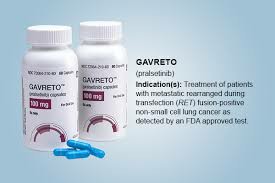
However, whether the tumor will definitely relapse depends on many factors such as the patient's condition, the duration of treatment, and whether a deep remission is achieved. After receiving a sufficient course of treatment and achieving complete remission, some patients can maintain disease-free survival for a long time even if they stop taking the drug. However, for high-risk patients, such as those with large tumor burden or rapid disease progression before treatment, hasty discontinuation of medication is often not recommended. Doctors usually make a comprehensive assessment based on the patient's treatment response, imaging results, genetic testing, etc. to determine whether discontinuation of the drug can be considered.
Therefore, there is no absolute answer to whether recurrence will occur after platinib is discontinued. The key lies in individualized judgment. Before considering stopping the drug, it is recommended that patients fully communicate with their attending doctors, conduct regular reviews, and continue to monitor tumor indicators and imaging changes after stopping the drug. If signs of recurrence are found, the treatment strategy should be re-evaluated as soon as possible, including whether to restart platinib or switch to other regimens. Ongoing management and monitoring are key to ensuring long-term maintenance of efficacy.
Reference materials:https://www.drugs.com/
[ 免责声明 ] 本页面内容来自公开渠道(如FDA官网、Drugs官网、原研药厂官网等),仅供持有医疗专业资质的人员用于医学药学研究参考,不构成任何治疗建议或药品推荐。所涉药品可能未在中国大陆获批上市,不适用于中国境内销售和使用。如需治疗,请咨询正规医疗机构。本站不提供药品销售或代购服务。


