
.jpeg)
Dietary taboos during treatment with imatinib/Gleevec
During the treatment of Imatinib/Gleevec (Imatinib), reasonable dietary management is closely related to the efficacy of the drug. Many patients will ask questions such as "What can I take with Gleevec" and "Will eating anything affect the efficacy of the drug" during the course of taking the drug? In fact, although imatinib is an oral drug, its absorption and metabolism processes are easily interfered by food, drinks and certain nutritional supplements. Therefore, dietary taboos and regulations do need to be paid attention to during treatment.
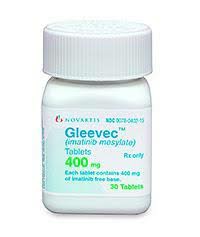
First of all, it is not recommended to take it with high-fat or high-calorie meals, because high-fat meals may change the gastric emptying speed, thereby delaying drug absorption and reducing efficacy. It is recommended to take it at a fixed time every day, preferably with warm water and an appropriate amount of low-fat food to reduce gastrointestinal irritation. Secondly, grapefruit and grapefruit juice are among the top drinks to avoid. They contain certain substances that inhibit liver CYP3A4 enzyme activity, thereby significantly increasing the blood concentration of imatinib and increasing the risk of adverse reactions. Similar fruits include Seville orange, grapefruit, etc., which should also be used with caution.
In addition, supplements rich in calcium, iron, and magnesium (such as calcium tablets, multivitamins, and milk powder) may form complexes with the drug in the gastrointestinal tract and reduce the absorption of imatinib. Therefore, it is recommended to wait at least 2 hours before taking such supplements. Spicy, greasy, raw and cold foods should also be moderately restricted, especially for patients with existing gastrointestinal reactions, to avoid aggravating symptoms such as nausea and diarrhea. Alcoholic beverages and caffeinated beverages should also be limited due to their potential effects on liver metabolism or aggravation of adverse drug reactions.
Another overlooked factor is dietary prescriptions or health products containing Chinese herbal ingredients. Some ingredients such as ginseng and Polygonum multiflorum may also interfere withCYP450 enzyme activity or liver function, increasing the risk of interaction with imatinib. Therefore, you should consult a doctor before taking it.
Reference materials:https://www.gleevec.com/
[ 免责声明 ] 本页面内容来自公开渠道(如FDA官网、Drugs官网、原研药厂官网等),仅供持有医疗专业资质的人员用于医学药学研究参考,不构成任何治疗建议或药品推荐。所涉药品可能未在中国大陆获批上市,不适用于中国境内销售和使用。如需治疗,请咨询正规医疗机构。本站不提供药品销售或代购服务。


