
.jpeg)
What is the effect of taking osimertinib in patients with advanced lung cancer?
For patients diagnosed with advanced non-small cell lung cancer (NSCLC) with EGFR mutation, Osimertinib is currently one of the internationally recognized standard first-line treatments. It is hailed as "a key breakthrough in the third generation of targeted drugs" due to its high sensitivity to the deletion of exon 19 and the L858R mutation of No. 21, as well as its ability to target the T790M drug-resistant mutation. Compared with traditional chemotherapy or early targeted drugs, osimertinib performs better in delaying disease progression, reducing symptoms and improving quality of life.
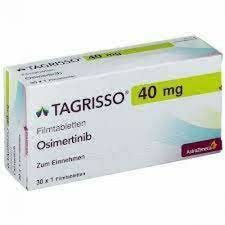
In actual clinical applications, osimertinib has shown good efficacy, especially for patients with brain metastases or bone metastases. It can enter the central nervous system through the blood-brain barrier for precise action. It is currently one of the few EGFR-TKI drugs that can control brain metastases. After treatment, patients can often achieve significant improvement in respiratory function, recovery of physical fitness, and reduction of tumor burden within a certain period of time. This effect is not only reflected in stable imaging, but more patients also report a significant improvement in quality of life.
However, it needs to be emphasized that osimertinib is not a "panacea", and its effect is closely related to the patient's own gene mutation type, tumor burden, and physical functional status. Some patients develop initial drug resistance after taking the drug for several months, and some patients respond poorly due to rapid drug metabolism or other genetic mutations. Therefore, doctors need to confirm the EGFR mutation status through molecular testing before using drugs, and conduct regular reexaminations to evaluate the efficacy.
Medication compliance of osimertinib is also crucial. It is taken once a day on an empty stomach. Regularity is very important to maintain the efficacy. For the management of side effects, such as rash, diarrhea, or transient liver enzyme elevations, they can usually be controlled through symptomatic treatment or moderate dose adjustment without the need to easily discontinue the drug.
Reference materials:https://go.drugbank.com/drugs/DB09330
[ 免责声明 ] 本页面内容来自公开渠道(如FDA官网、Drugs官网、原研药厂官网等),仅供持有医疗专业资质的人员用于医学药学研究参考,不构成任何治疗建议或药品推荐。所涉药品可能未在中国大陆获批上市,不适用于中国境内销售和使用。如需治疗,请咨询正规医疗机构。本站不提供药品销售或代购服务。


