
.jpeg)
Generational classification and efficacy analysis of ceritinib targeted drugs
Ceritinib is a representative drug among the second-generation ALK inhibitors. Its intergenerational drug positioning and treatment strategy have a clear position in the current targeted therapy system for lung cancer. ALK inhibitors, as precise treatments for ALK fusion gene mutations in non-small cell lung cancer (NSCLC), have evolved from the initial first-generation crizotinib to second-generation drugs (such as ceritinib and alectinib), and then to third-generation drugs such as lorlatinib. This intergenerational evolution is not only an upgrade in drug structure, but also a major leap in clinical strategy and efficacy management.
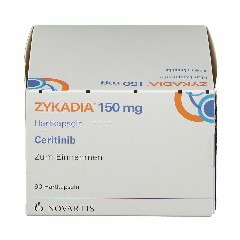
As a second-generation drug, ceritinib has been specifically optimized in its molecular structure. ItsALK inhibitory ability is stronger and can effectively penetrate the blood-brain barrier, so it shows certain advantages in the treatment of brain metastases. Many ALK-positive lung cancer patients develop drug resistance after receiving first-generation treatment, especially problems such as activation of TKI-related mutation sites and enhancement of bypass signaling pathways. At this time, ceritinib can be an important option for subsequent treatment. It not only shows good response after resistance to crizotinib, but can also be used as a first-line drug for some patients to further extend the progression-free survival and strengthen the overall disease control.
In terms of efficacy analysis, although ceritinib is not suitable for all lung cancer patients, it has become one of the standard regimens inALK-positive subgroups. By comparing different generations of ALK inhibitors, the second-generation drugs overall demonstrate broader mutation coverage and stronger target selectivity, especially in overcoming the resistance mechanism of the first-generation drugs. For example, ceritinib has stronger inhibitory activity against multiple drug-resistant mutation sites, including L1196M, which means that it can extend the effective window of treatment and avoid premature transfer to chemotherapy or immunotherapy.
Reference materials:https://go.drugbank.com/drugs/DB09063
[ 免责声明 ] 本页面内容来自公开渠道(如FDA官网、Drugs官网、原研药厂官网等),仅供持有医疗专业资质的人员用于医学药学研究参考,不构成任何治疗建议或药品推荐。所涉药品可能未在中国大陆获批上市,不适用于中国境内销售和使用。如需治疗,请咨询正规医疗机构。本站不提供药品销售或代购服务。


