
.jpeg)
Ruxolitinib/ruxolitinib cream shows long-term AD control in children 2 to 11 years old
A 2-poster presentation from the TRuE-AD3 (NCT04921969) study shows that children aged 2 to 11 years with mild-to-moderate atopic dermatitis achieved long-term disease control and meaningful time off treatment with as-required ruxolitinib cream. Both strengths of the topical Janus kinase inhibitor were well tolerated through 52 weeks, even among patients with more extensive disease at baseline.
The first poster of the TRuE-AD3 study focuses on evaluating the long-term disease control and safety of ruxolitinib cream in children aged 2 to 11 years with moderate and/or extensive AD, defined as an Investigator Global Assessment (IGA) score of 3 and/or 10% or greater affected body surface area (BSA) at baseline. In this randomized, double-blind trial, children received ruxolitinib cream (0.75% or 1.5%) or vehicle twice daily for 8 weeks, followed by 44 weeks of ruxolitinib cream-strength treatment as needed.
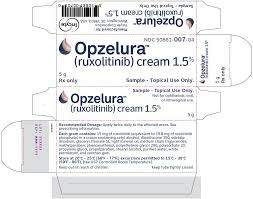
Among 180 children with an IGA score of 3 who were initially randomized to ruxolitinib cream, 71.4% to 74.6% achieved clear or nearly clear skin (IGA 0/1) at week 52, with the mean affected BSA falling to 2.0% to 2.3%. Similar improvements were seen in the subgroup with a BSA of 10% or higher at baseline. Both concentrations of ruxolitinib cream were well tolerated and no serious treatment-related adverse events were reported, supporting its continued efficacy and safety in the treatment of moderate pediatric AD.
The second poster evaluated long-term disease control and off-treatment in children aged 2 to 11 years with mild-to-moderate AD who received ruxolitinib cream in theTRuE-AD3 study. 2After the initial 8-week randomized treatment period, patients receiving ruxolitinib cream (0.75% or 1.5%) continued as needed for a 44-week long-term safety period (LTS). Among patients who received at least 1 dose during LTS (n = 119, 0.75%; n = 114, 1.5%), affected BSA decreased from 9.9% at baseline to 11.1% and to 1.9% to 2.0% at Week 52.
80.7% (ruxolitinib Cream, 0.75%) and 91.2% (ruxolitinib Cream, Clear or nearly clear skin (IGA 0/1) was achieved in 1.5%) of patients at least once during LTS, and these scores were maintained in 60.0% and 69.0% of visits, respectively. In addition, the median number of days of rest due to lesion clearance in the 0.75% and 1.5% groups were 136.0 and 151.0, respectively, accounting for approximately half of the LTS period. Both regimens were well tolerated with no serious treatment-related adverse events, highlighting the effectiveness of ruxolitinib cream used as needed in maintaining disease control and reducing the treatment burden of pediatric AD.
Together,these findings from the TRuE-AD3 study strengthen the long-term efficacy, safety and practical benefits of ruxolitinib cream as needed monotherapy in children with mild to moderate atopic dermatitis. Whether treating more extensive disease or maintaining remission over time, ruxolitinib cream significantly cleared lesions, prolonged drug withdrawal, and had a favorable safety profile over 52 weeks. These results provide promising evidence to support its use as a long-term treatment option tailored to the needs of pediatric patients and their caregivers.
Reference materials:https://www.ajmc.com/view/ruxolitinib-cream-shows-long-term-ad-control-in-children-ages-2-to-11
[ 免责声明 ] 本页面内容来自公开渠道(如FDA官网、Drugs官网、原研药厂官网等),仅供持有医疗专业资质的人员用于医学药学研究参考,不构成任何治疗建议或药品推荐。所涉药品可能未在中国大陆获批上市,不适用于中国境内销售和使用。如需治疗,请咨询正规医疗机构。本站不提供药品销售或代购服务。


