
.jpeg)
Axitinib/axitinib targeted drug insert core content
Axitinib is an oral small molecule tyrosine kinase inhibitor with the trade name Inlyta. As a targeted drug that is widely used in the treatment of advanced renal cell carcinoma (RCC), axitinib blocks neovascularization of tumors by highly selectively inhibiting vascular endothelial growth factor receptors (VEGFR)-1, -2 and -3, thereby limiting their growth and metastasis capabilities. The drug has been approved by regulatory agencies in multiple countries and has become an important part of the standard treatment for advanced kidney cancer.
1. In terms of indications, axitinib is widely used in the first-line and second-line treatment of advanced renal cell carcinoma. In first-line treatment, it is often used in combination with immune checkpoint inhibitors, such as Avelumab or Pembrolizumab, and is suitable for patients who receive systemic treatment for the first time. In second-line treatment, axitinib can be used as a single agent, and is suitable for patients with renal cancer who have previously received systemic treatment but whose disease has progressed. Combined immunotherapy can improve the treatment response rate while maintaining the tumor suppressive effect. It is an important solution recommended by international clinical guidelines in recent years.
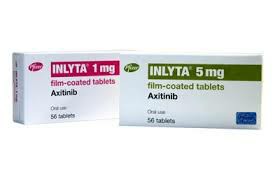
2. In terms of usage and dosage, the recommended first-line starting dose of axitinib is 5 mg taken orally twice a day, about 12 hours apart. When combined with avelumab, axitinib is used with an intravenous infusion of avelumab every two weeks; when combined with pembrolizumab, it is used with 200 mg of pembrolizumab every three weeks or 400 mg of pembrolizumab every six weeks over a 30-minute infusion. For patients on second-line treatment, axitinib can be used alone, and it is also recommended to take 5 mg orally twice daily. The medicine must be swallowed whole and cannot be broken or chewed. It is recommended to take it with a whole glass of water. If the patient misses a dose or vomits, do not take it again and should wait until the next prescribed time before continuing to take the medicine.
Dose adjustment is critical in clinical management. If the patient tolerates the current dose well, has no obvious adverse reactions of Grade 2 or above, and has ideal blood pressure control, a gradual increase in dose may be considered. The adjustment interval is usually no less than two weeks. For patients who experience toxic reactions, doctors may reduce the dosage or suspend the medication as appropriate. Blood pressure, liver and kidney function, thyroid function and proteinuria indicators need to be closely monitored throughout the treatment process to avoid serious consequences caused by cumulative toxicity.
3. Regarding adverse reactions, the tolerability of axitinib is relatively controllable, but attention must still be paid to the systemic side effects caused by it. The most common problems include diarrhea, high blood pressure, fatigue, hoarseness, nausea, loss of appetite, hand-foot syndrome, weight loss, bleeding tendencies, constipation and proteinuria. Among them, hypertension is one of the most vigilant adverse reactions of this type of drugs. If not controlled in time, it may cause cardiovascular and cerebrovascular complications. Serious vascular events such as aneurysm formation, dissection, or aortic rupture have been reported in rare cases and should be used with caution, especially in those with a history of arterial disease.
4. In terms of drug supply, axitinib is sold on the market in two dosage specifications: 1 mg and 5 mg. Its tablets need to be stored in an environment of 20°C to 25°C, and fluctuations of 15°C to 30°C can be tolerated in the short term. To ensure stable efficacy, storage conditions such as moisture and high temperature should be avoided.
5. From a mechanism perspective, axitinib is a highly selective small molecule tyrosine kinase inhibitor that can effectively block the angiogenesis process related to the VEGF pathway. By inhibiting the phosphorylation activity of VEGFR, it interferes with the proliferation and migration of vascular endothelial cells in the tumor microenvironment, causing tumor hypoxia, thereby inhibiting tumor expansion. In animal models, axitinib significantly inhibited tumor angiogenesis and metastasis potential, indicating that its anti-cancer effect has a biological basis.
Reference materials:https://en.wikipedia.org/wiki/Axitinib
[ 免责声明 ] 本页面内容来自公开渠道(如FDA官网、Drugs官网、原研药厂官网等),仅供持有医疗专业资质的人员用于医学药学研究参考,不构成任何治疗建议或药品推荐。所涉药品可能未在中国大陆获批上市,不适用于中国境内销售和使用。如需治疗,请咨询正规医疗机构。本站不提供药品销售或代购服务。


