
.jpeg)
Possible side effects during use of Trientine
Trientine (Trientine), as an important copper chelator in the treatment of Wilson's disease, can effectively promote the excretion of excess copper in the body and reduce tissue damage. However, during use, patients may still experience certain side effects, which require attention and timely treatment to ensure the safety and effectiveness of treatment.
First, common side effects include gastrointestinal discomfort, such as nausea, vomiting, abdominal pain, and diarrhea. Most of these reactions are mild and usually resolve gradually with the prolongation of medication. In order to reduce gastrointestinal discomfort, it is recommended that patients take the medicine after meals and avoid taking it on an empty stomach. At the same time, the dosage can be adjusted appropriately. If necessary, consult a doctor for medication adjustment.
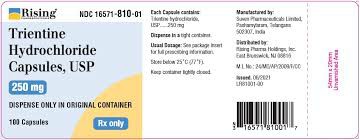
Secondly, allergic reaction is also a problem that needs to be paid attention to when using trientine. Although it is rare, some patients may experience rash, itching or systemic allergic reaction. Once obvious allergic symptoms appear, you should stop taking the medication immediately and seek medical treatment in time. The doctor may adjust the treatment plan or take corresponding symptomatic measures according to the specific situation.
In addition, long-term use of trientine may also cause anemia, leukopenia and other blood system abnormalities. Therefore, patients should undergo regular hematology examinations and monitor blood changes. If serious hematological abnormalities are found, the dose needs to be adjusted or medication suspended in time to avoid greater impact on the patient's health. Overall, rational medication use and regular monitoring are key to reducing the risk of side effects and ensuring smooth treatment.
Reference materials:https://www.drugs.com/
[ 免责声明 ] 本页面内容来自公开渠道(如FDA官网、Drugs官网、原研药厂官网等),仅供持有医疗专业资质的人员用于医学药学研究参考,不构成任何治疗建议或药品推荐。所涉药品可能未在中国大陆获批上市,不适用于中国境内销售和使用。如需治疗,请咨询正规医疗机构。本站不提供药品销售或代购服务。


